
30 Kiwi for 30 Years
For 30 years, the National Kiwi Hatchery has been at the heart of kiwi conservation, hatching over 2,600 chicks and leading efforts to protect Aotearoa’s national taonga.
Each of these kiwi carries a story that reflects our journey: moments of discovery, rescue, resilience, and hope. From the first chick hatched in 1996 to the newest arrivals today, these are the stories that remind us why every egg, every hatch, and every helping hand matters. Thank you for supporting the National Kiwi Hatchery and for joining us in celebrating 30 years of saving kiwi. Watch our story on National Kiwi Hatchery on YouTube.
Subscribe to our newsletter
Visit Subscribe to our newsletter to subscribe to news and information.
Te Aukaha
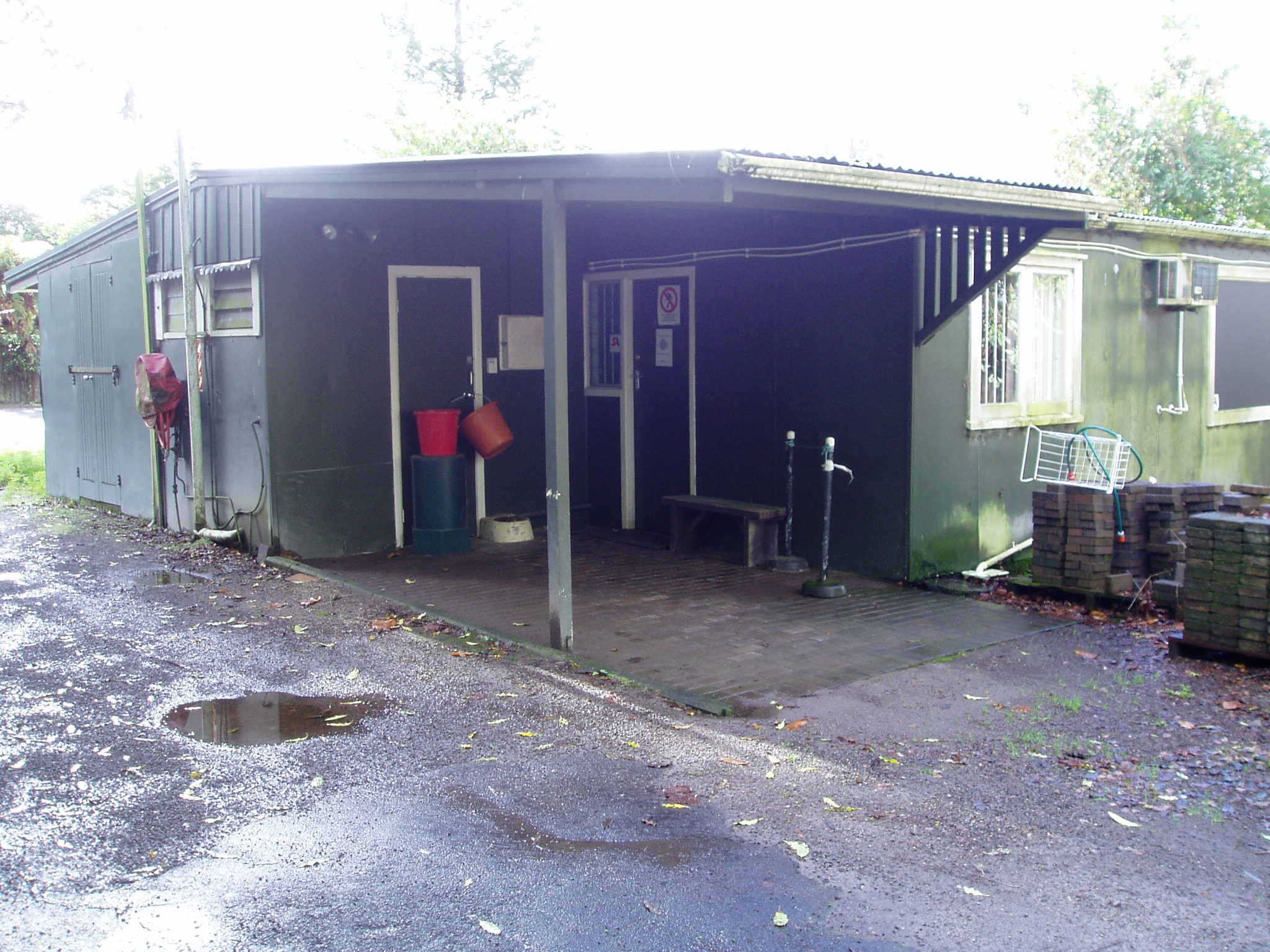
Te Aukaha hatched around midnight on 2nd January 1996. His egg was the first we received at the Hatchery and we were so excited. We slept in sleeping bags on the floor, waiting for him to break out of his shell. He was small, weighing only just 240grams, but he was strong and immediately got into the crouch position to try and stand. We didn't know at the time, that Te Aukaha would be just one of over 2,600 kiwi chicks to hatch under our care!
Titch
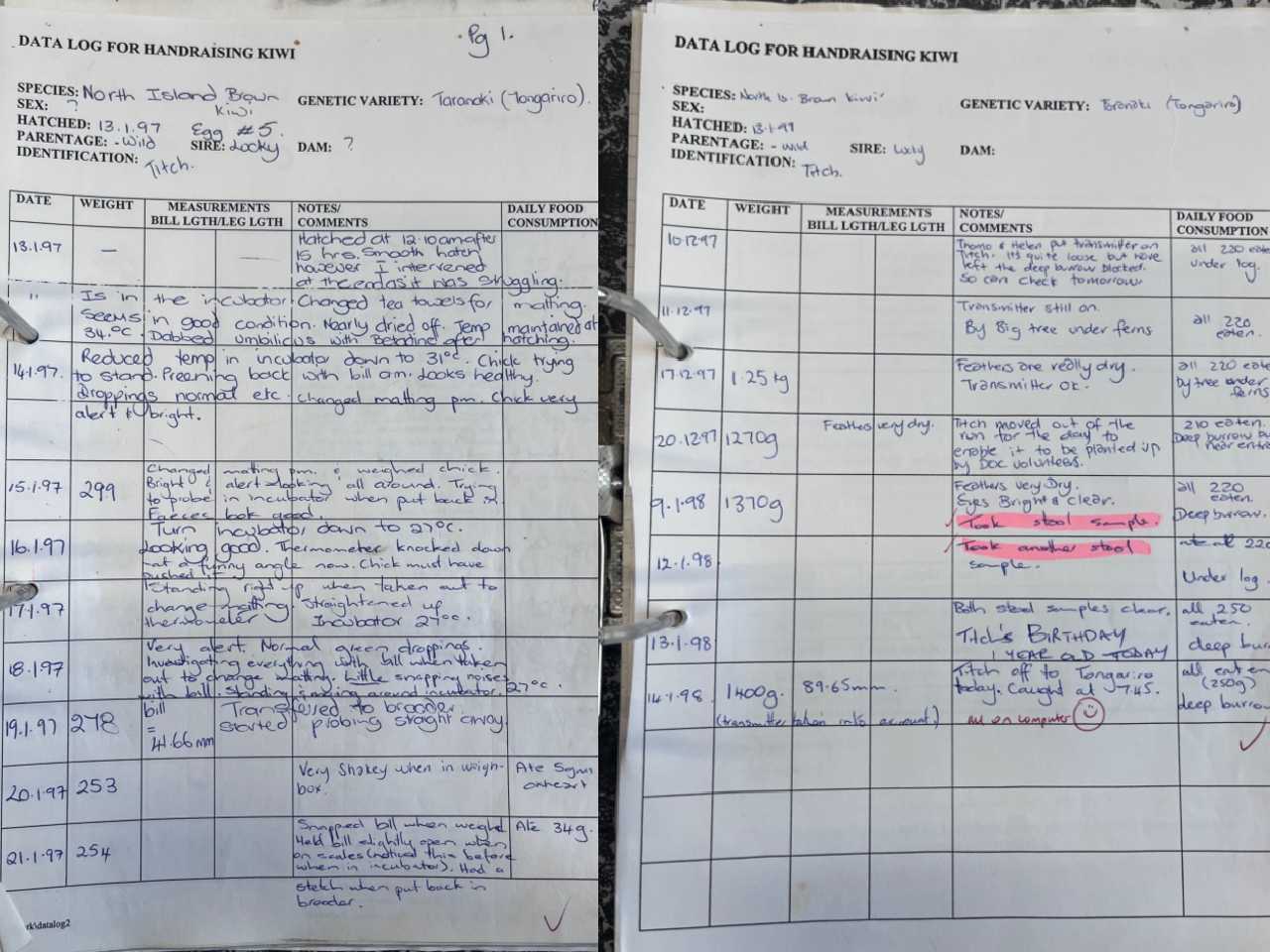
Titch was the 5th egg received at the Hatchery. Titch hatched at 12.10am on 13 January 1997 after a 15 hour hatch time. Titch needed a little of bit assistance, but it didn't take long for Titch to start try to stand and start probing around. Titch went on to celebrate their one-year birthday at the Hatchery before being released back into Tongariro Forest at a very healthy and stoat proof weight of 1400g.
Koha
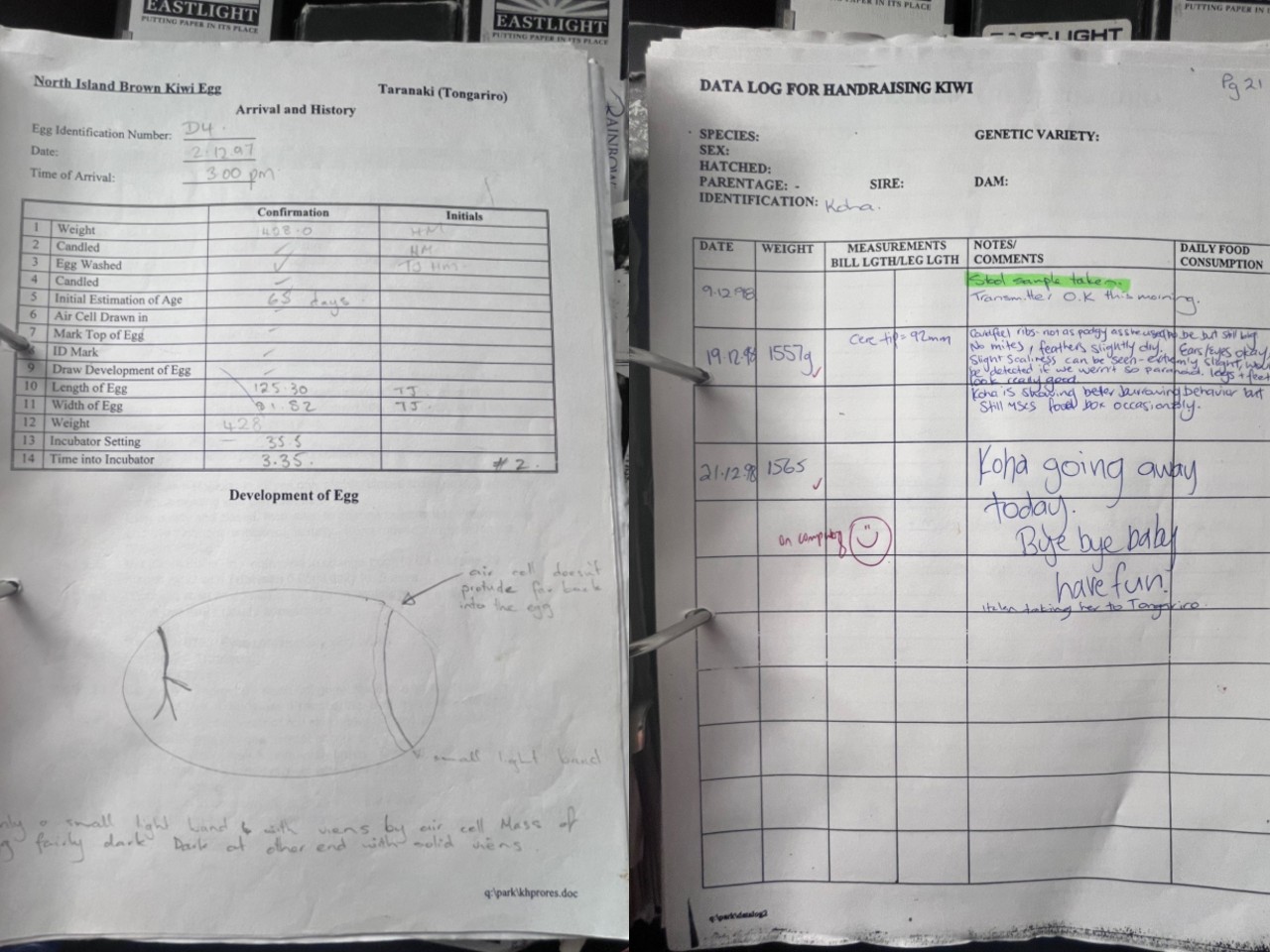
Kiwi keepers estimated that Koha was 65 days through their 78-day incubation when it arrived, However Koha (the Māori word for 'gift') hatched after just 3 days in the incubator, on 25 December 1997.Estimating hatching dates (similar to when predicting a baby will be born) is an art and a science. These days, our estimates are accurate to within 1-2 days. Koha reached 1565g before being released back into Tongariro Forest.
Moenui
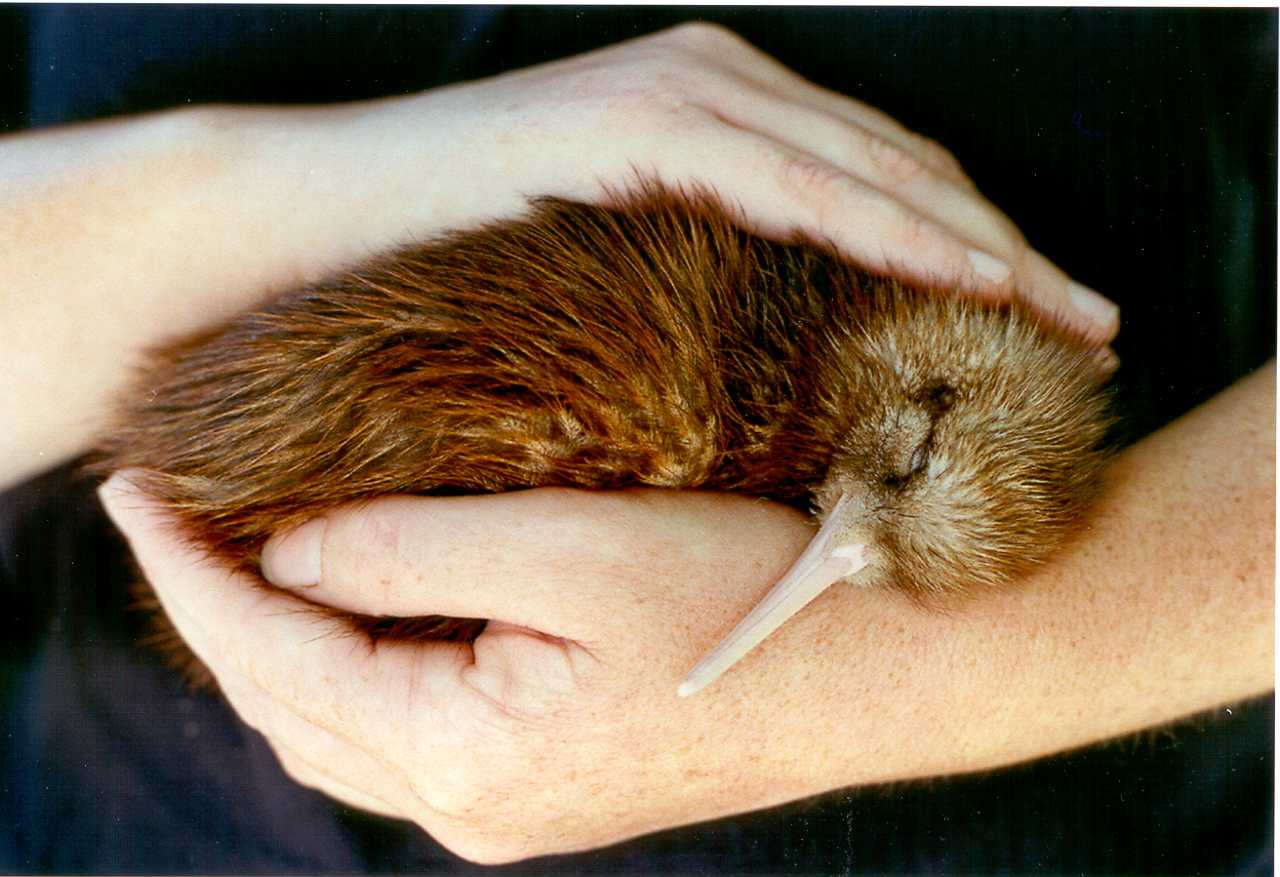
Moenui hatched on 3 February 1999, a 263.5-gram chick whose name means “sleepy,” inspired by their calm and gentle nature in the brooder. With steady growth and the strong instincts of a future forest dweller, Moenui soon transformed into a confident young kiwi. Reaching 1,124 grams, this chick was released to Tongariro, ready to explore the ngahere (forest) and play their part in the recovery of Aotearoa’s treasured species.
Mawhitiwhiti
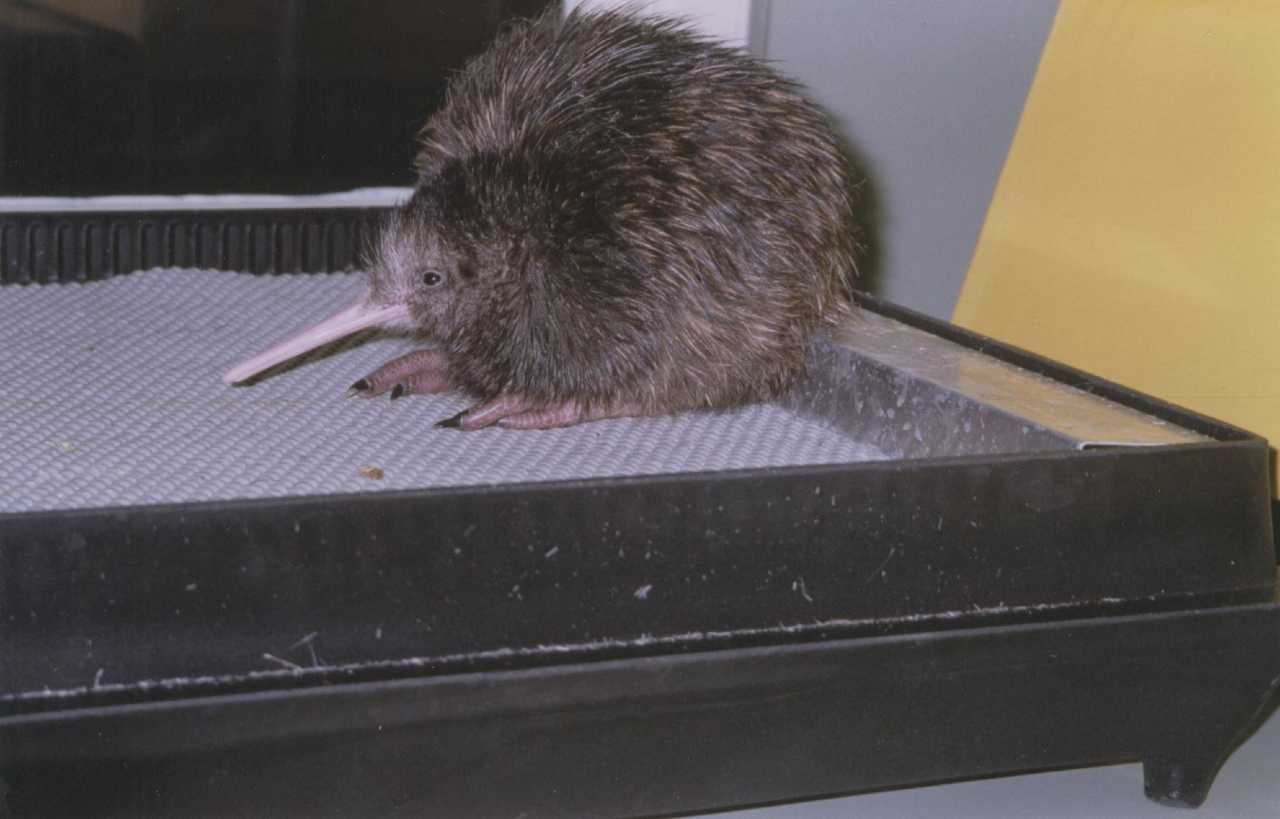
Mawhitiwhiti hatched on 21 October 1999 weighing 347 grams. The first kiwi egg collected outside of Tongariro, in Waimarino. Named “grasshopper” for their lively, springy energy, this chick grew quickly and confidently under the watchful eye of the Kiwi keepers and scientists. By 2 May 2000, Mawhitiwhiti had reached an incredible 1,492 grams, becoming a strong, robust kiwi ready for release.
Tiakareti
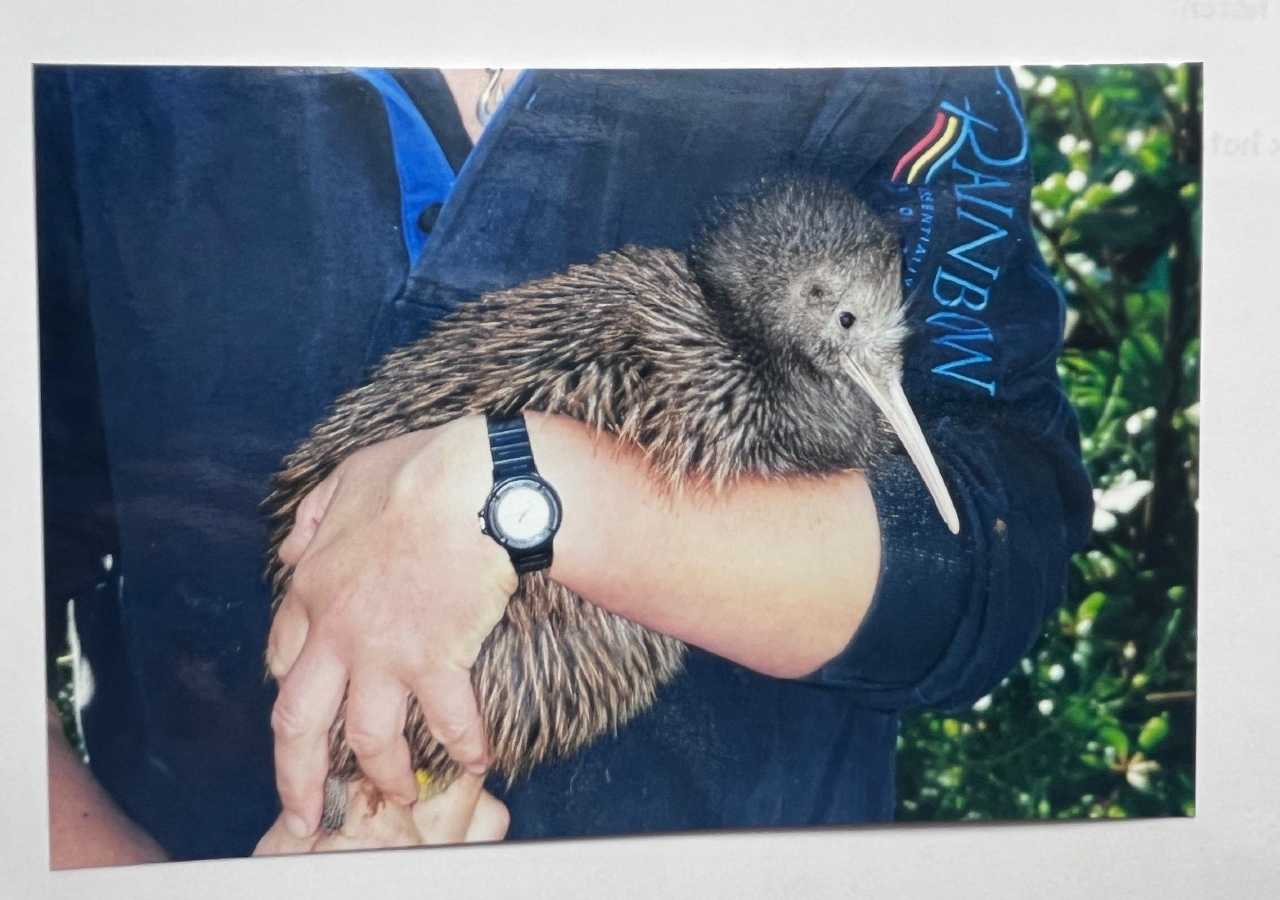
Tiakareti hatched on 21 October 2000, a 347-gram chick named for his beautiful chocolate-coloured feathers. Under the careful watch of the Hatchery team, this fiesty male chick grew steadily into a strong and confident young kiwi. By the time of release on 30 March 2001, had reached 1,173 grams. Tiakareti’s journey is a sweet reminder of the beauty and individuality found in every kiwi.
Honey
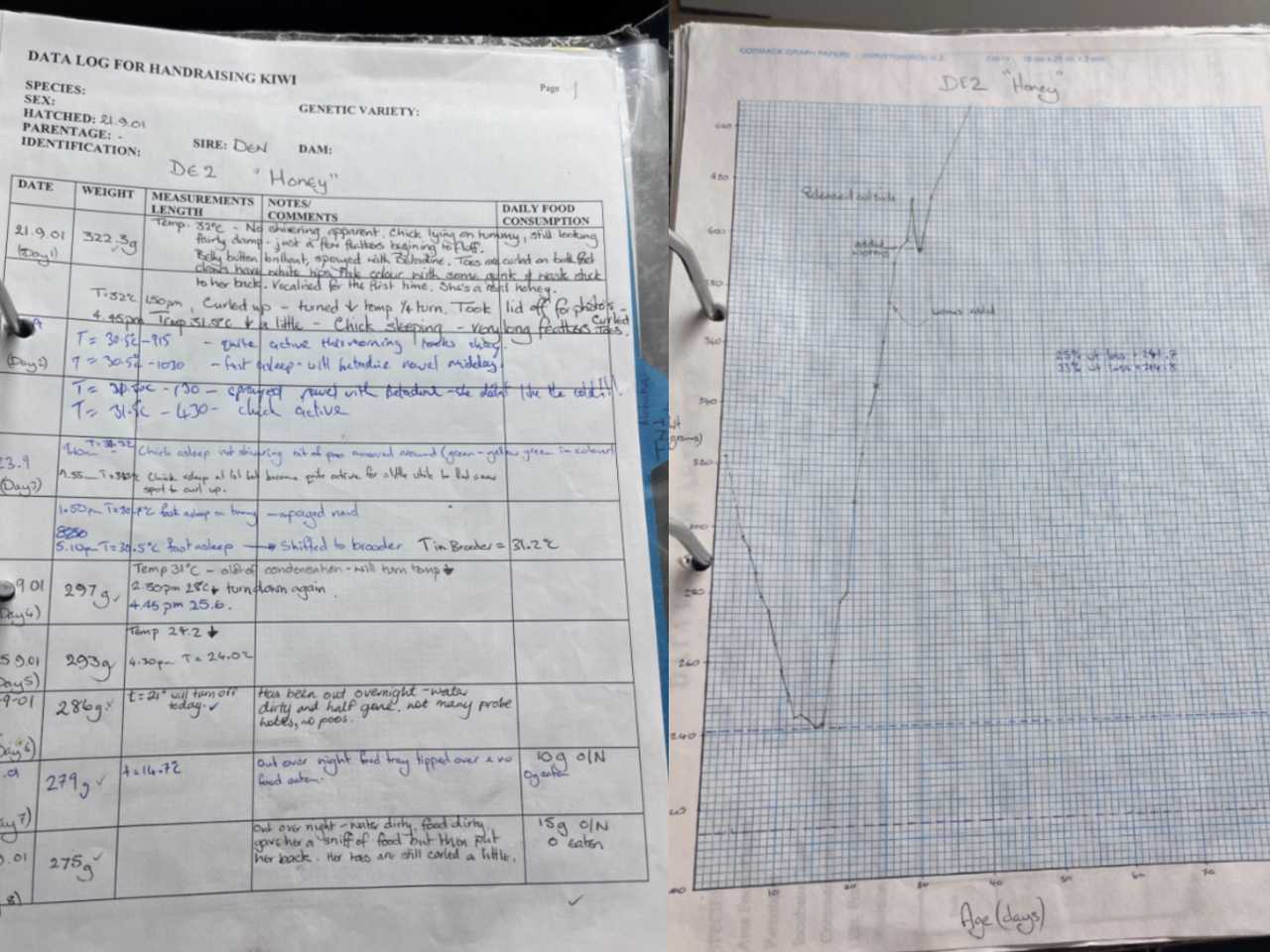
Honey was found, almost dead, on 23 January 2002. This little kiwi had suffered a terrible attack from a stoat or ferret and had a deep wound to the back of their neck which had become infected. Safe at the Hatchery, Honey was given special treatment and care in the onsite ICU facility. Their wound was treated with Comvita Woundcare Manuka honey. Honey made a full recovery and was re-released on 3 April 2002.
Moana
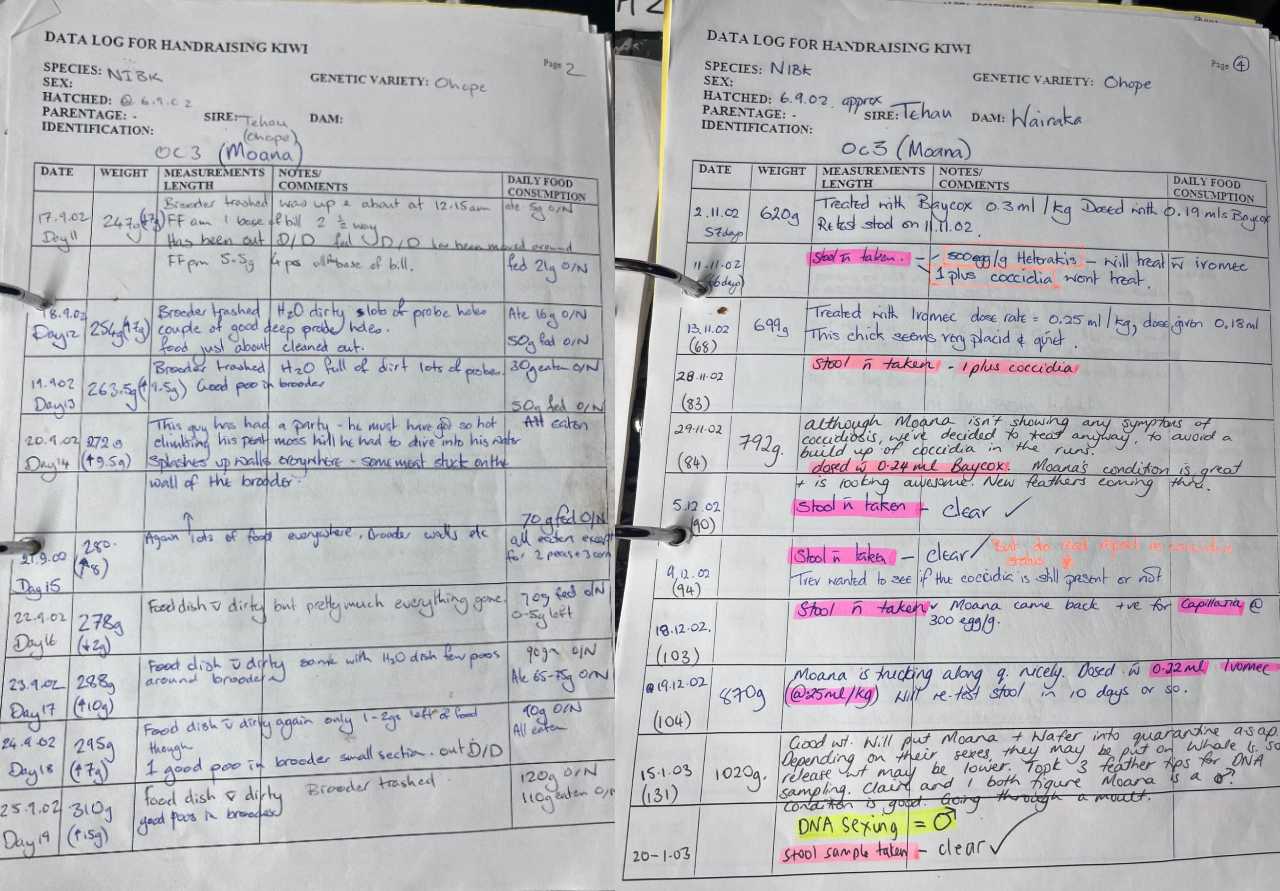
Moana (meaning 'ocean') arrived at the hatchery as a 4-day old chick Through DNA testing of the feathers it was established Moana was a boy. He was released to Mokoia Island, in Lake Rotorua at 1076g. This 'fiery' kiwi has avoided re-capture for a wellbeing check several times and continues to live a happy life on the island.
Matai
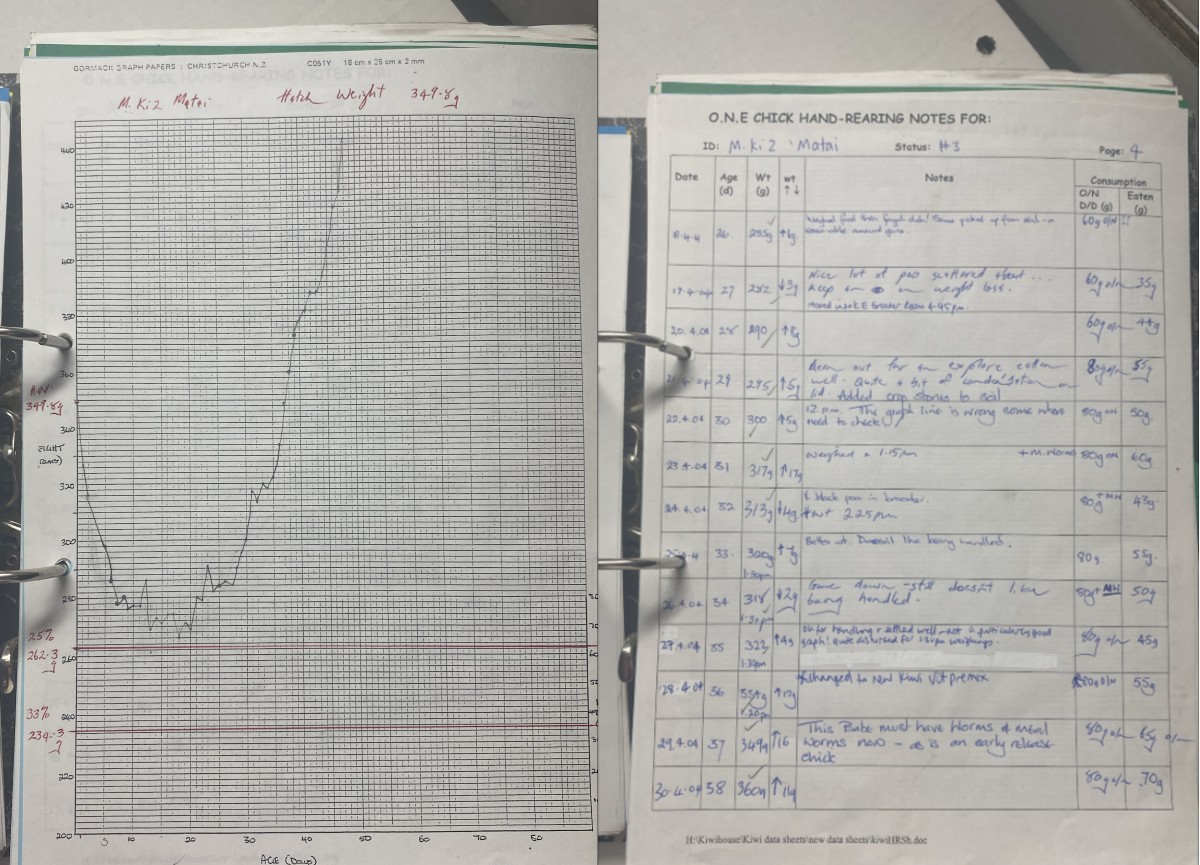
Matai hatched on 23rd March 2004 and had a rough start to life with a variety of health issues. But with plenty of TLC and a lot of patience for the Kiwi team, grew into a strong healthy juvenile. The health notes for Matai comment on them being a messy food eater, who would fling food around the brooder! Matai was released into Moehau Forest in 2004.
Ngahere
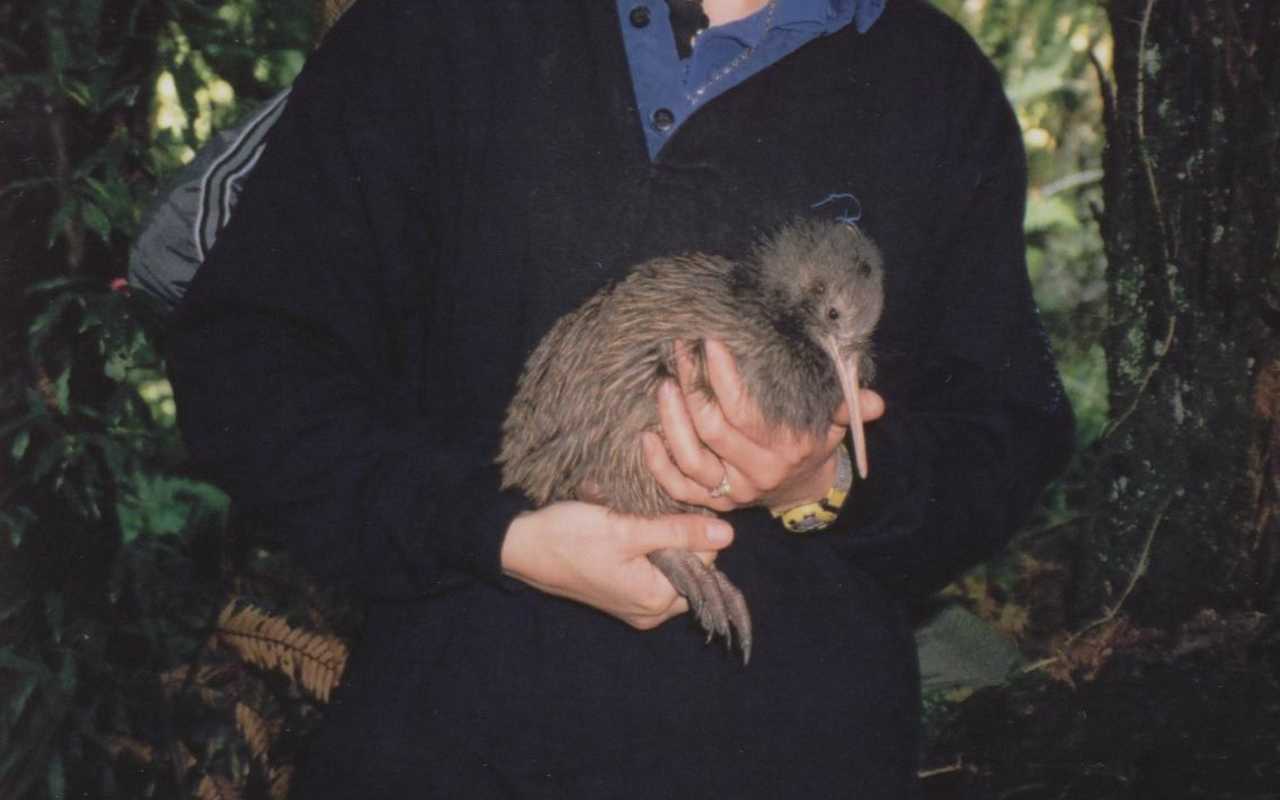
Ngahere hatched on 4 November 2004, a 350.2-gram chick named “forest” in honour of the whenua they would one day return to. Calm and steady in their early days, Ngahere grew well under the Hatchery’s care, reaching 855 grams by the time of release. On 22 February 2005, this young kiwi was released to Tongariro, ready to take their place in the ngahere and help strengthen the future of Aotearoa’s treasured taonga.
Mellow
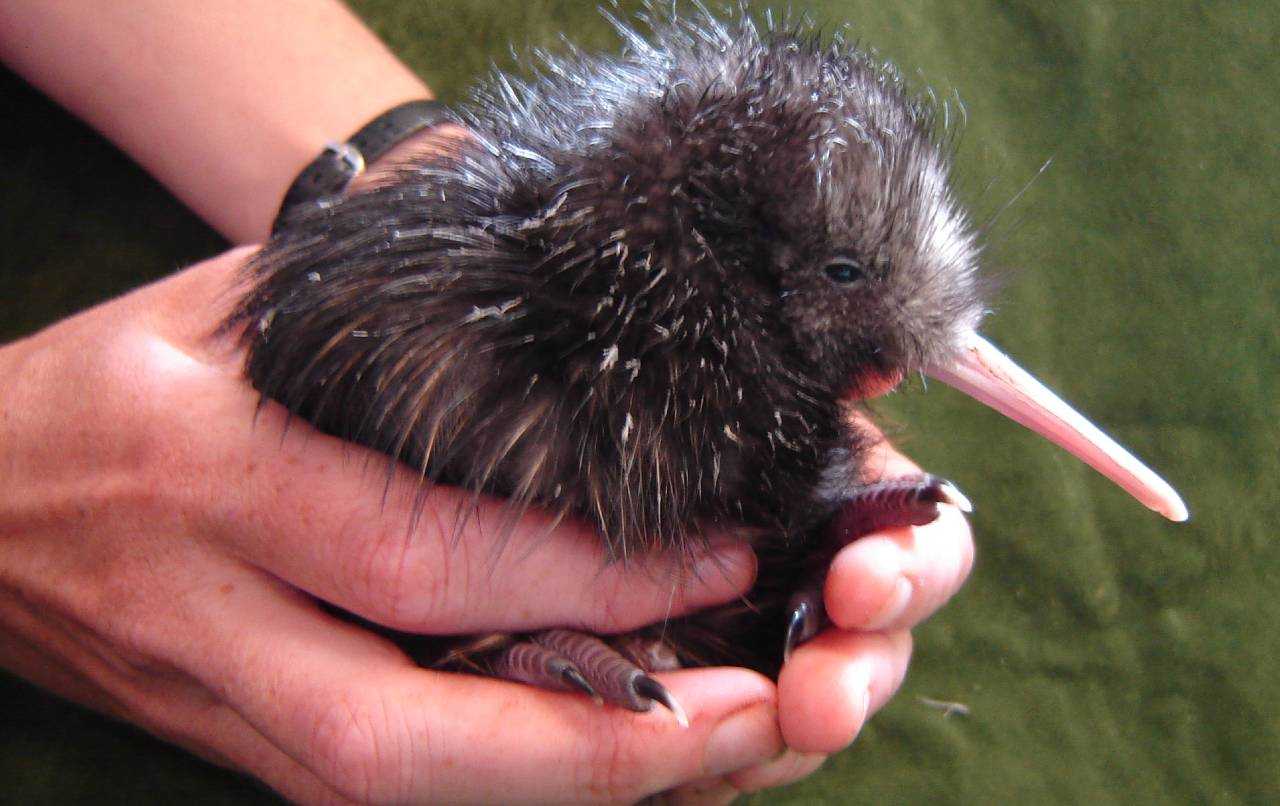
Mellow hatched on 21 January 2006, a 307gram chick and the first offspring of sire Woodcock. The National Kiwi Hatchery have long supported other kiwi conservation programmes, collaborating and sharing knowledge and this special egg came from Project Kiwi Trust, in Coromandel. Despite the name, Coromandel kiwi are notoriously grumpy and ferocious. Mellow reached a strong 1,095 grams before being released on 25 May 2006.
Frodo
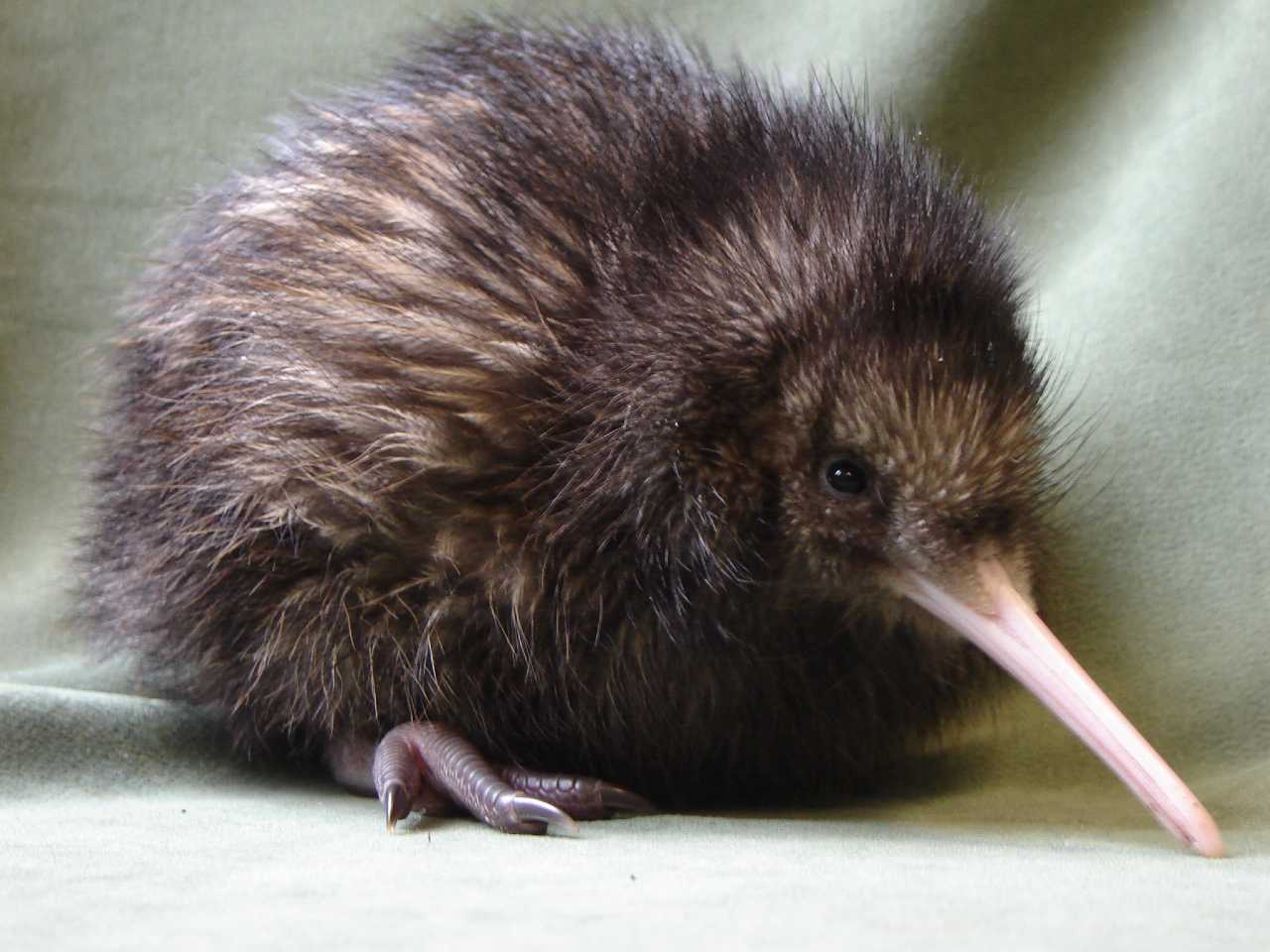
Frodo hatched on 8 January 2007, a healthy weight of 310-gram chick, named after the Lord of the Rings character. True to the spirit of his namesake, Frodo proved brave and determined from the start, he loved food and growing rapidly, reached an impressive 1,122 grams in just a few months. On 3 May 2007, he was released to Ōhope, ready to begin his own quest of adventure. Ohope has a population of kiwi that backs on to residential areas showing that kiwi and humans can live side by side if people are responsible pet owners.
Rima Rau
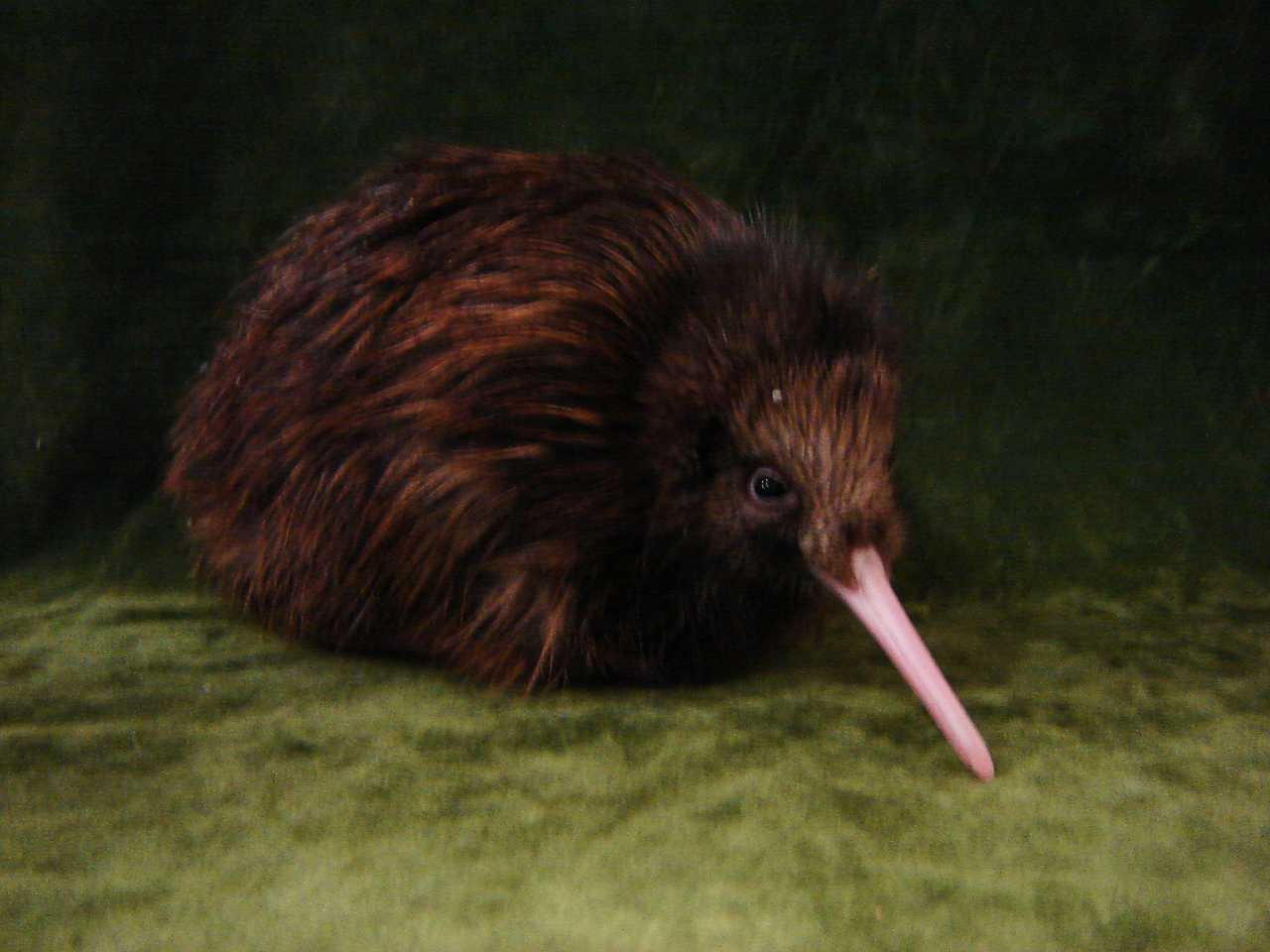
Rimu Rau hatched on 26 October 2007, a 344.9gram chick carrying a special milestone as the Hatchery’s 500th kiwi. Named “Rima Rau” meaning 500 in Māori, this chick symbolised a major achievement in the growing success of kiwi conservation. It took 12 years to hatch the 500th kiwi - but it would take only another 4 years to get to 1000! Rimu Rau was released back into the wild on 14 November 2007, marking a proud moment in the Hatchery’s history.
Darwin
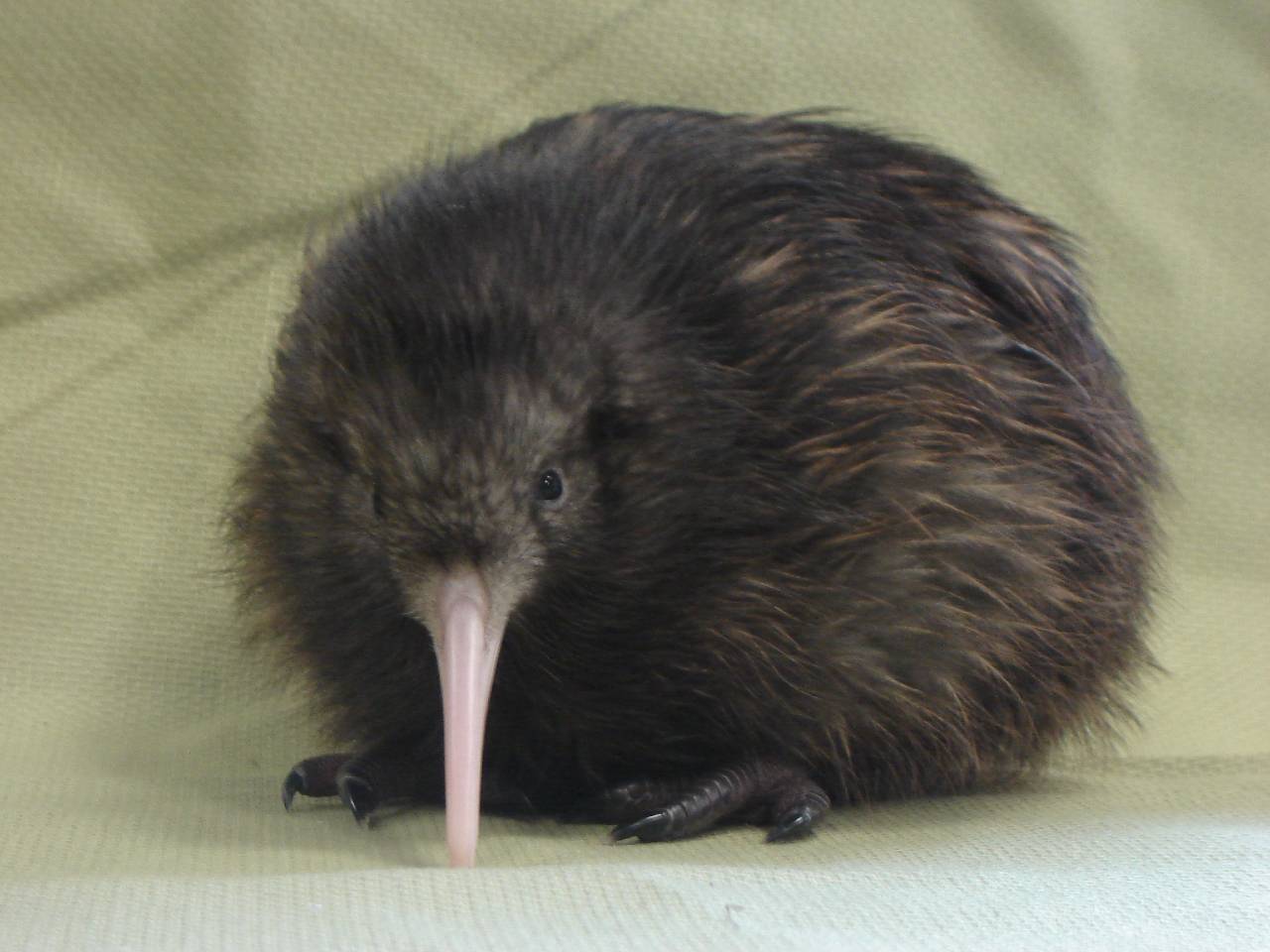
Darwin hatched on 20 October 2008, a strong chick weighing 383 grams and named in honour of renowned naturalist Charles Darwin. With striking dark feathers and black feet and nails, Darwin was a standout from the beginning. He was released back to his home forest of Maungataniwha on 12 January 2009, reaching 935 grams - well over the 1kg goal release weight that marks a kiwi ready to thrive in the wild.
Jumper
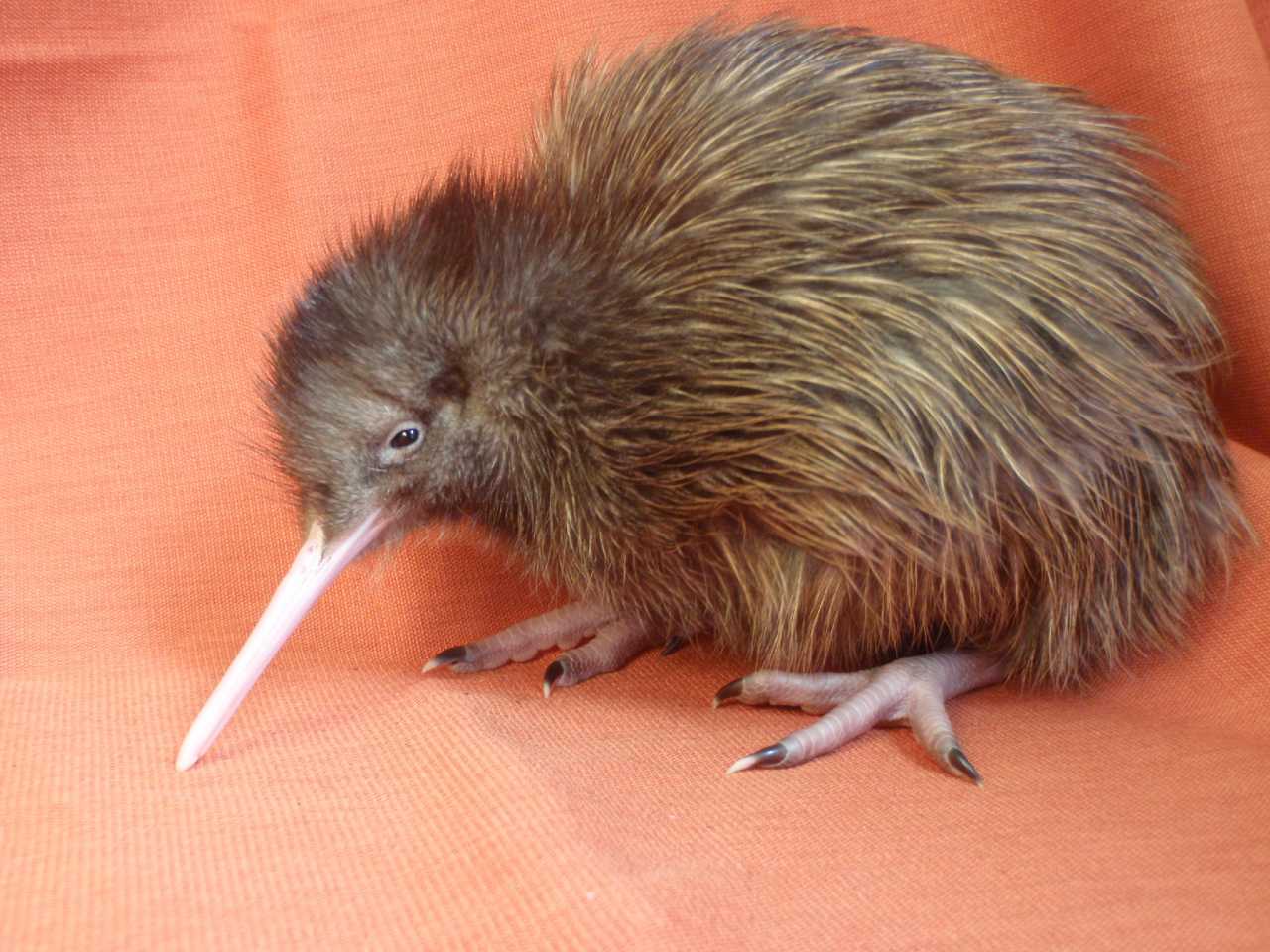
Jumper hatched on 1 March 2010, a 334.5-gram chick full of energy and determination. Growing quickly under the care of the Hatchery team, Jumper soon lived up to their name, developing into a strong, confident juvenile. By 6 August 2010, this young kiwi had reached 1,079 grams and was released to Waimarino, ready to bounce back into the wild and continue the legacy of Aotearoa’s precious taonga. Waimarino chick's feathers are distinctly more ginger/red in colour compared to other North Island kiwi.
Ngākau
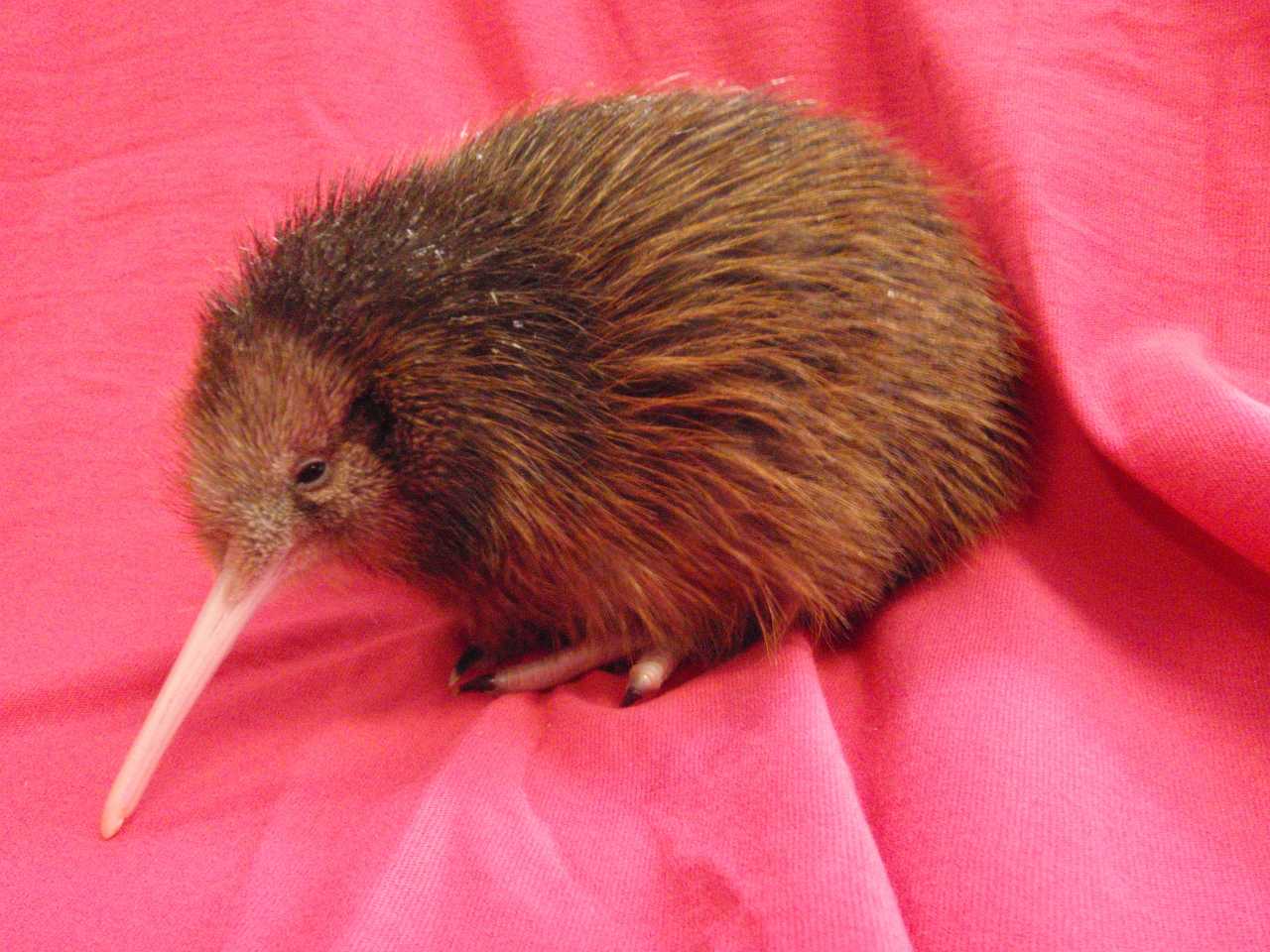
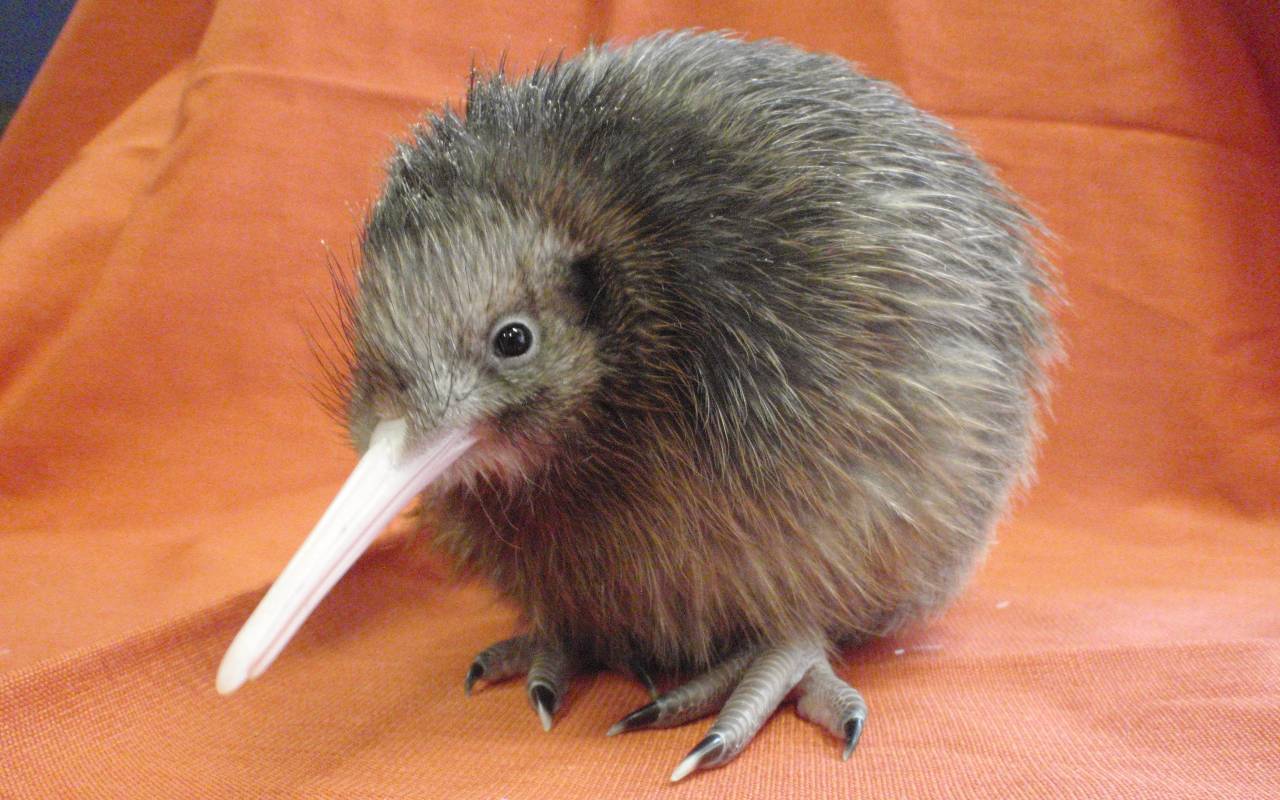
Ngākau hatched on 2 December 2011, a healthy chick weighing 376.9 grams. Ngākau, meaning “heart” in te reo Māori, embodies the care, devotion, and passion at the centre of kiwi conservation. As kiwi hatch fully feathered, they need protective sheaths to keep their feathers in good condition in their egg. This picture of Ngākau, at just 5 days old, shows some of the dry feather sheaths. It looks a bit like dandruff but soon disappears. Ngākau was the 14th egg of sire a sire named Hartley, from Taranaki.
Hupai
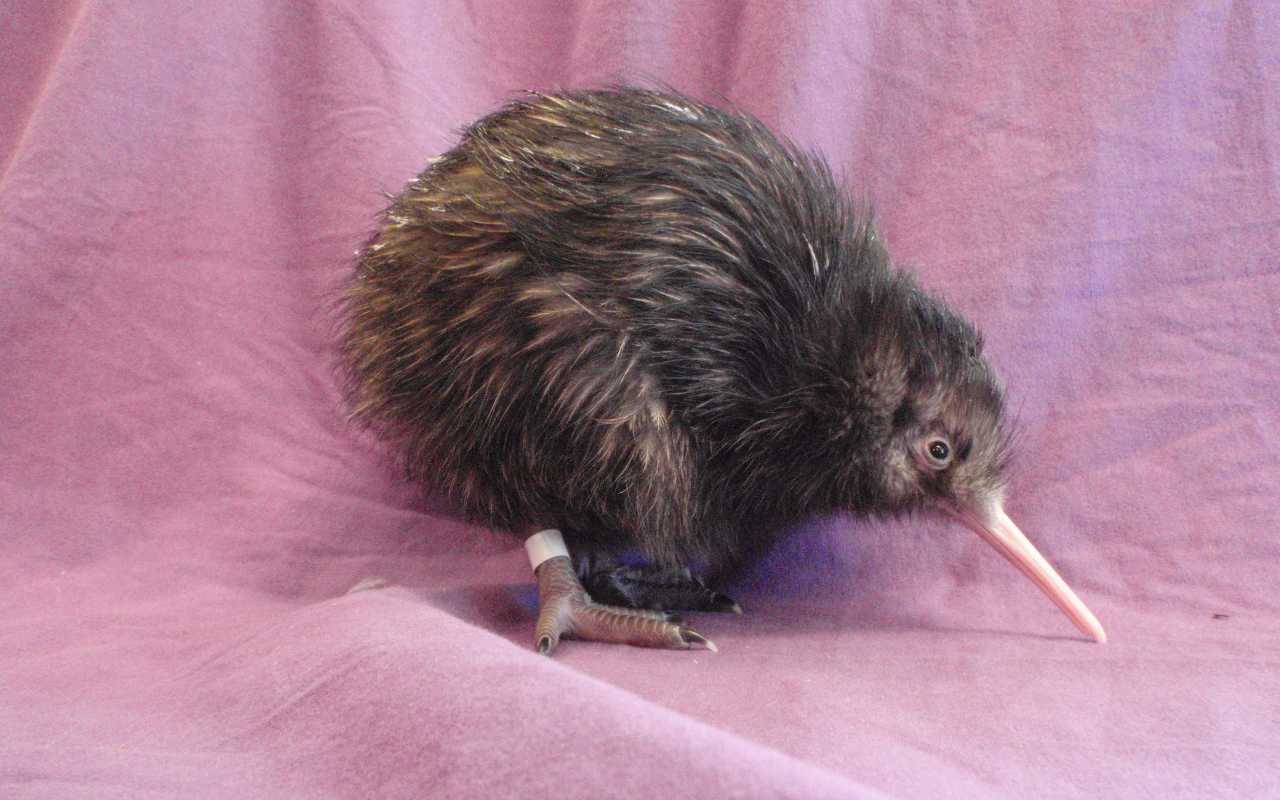
Hupai hatched on 24 September 2011, a healthy 386.2-gram chick with a name that speaks to triumph and rising up. As our 1000th chick to hatch, Hupai’s arrival became part of a remarkable chapter in kiwi conservation, representing the ongoing success of efforts to protect, raise, and return young kiwi to the wild where they belong. This picture of Hupai shows whiskers at the base of the bill - a sensory tool for kiwi to navigate their environment.
Wiffen
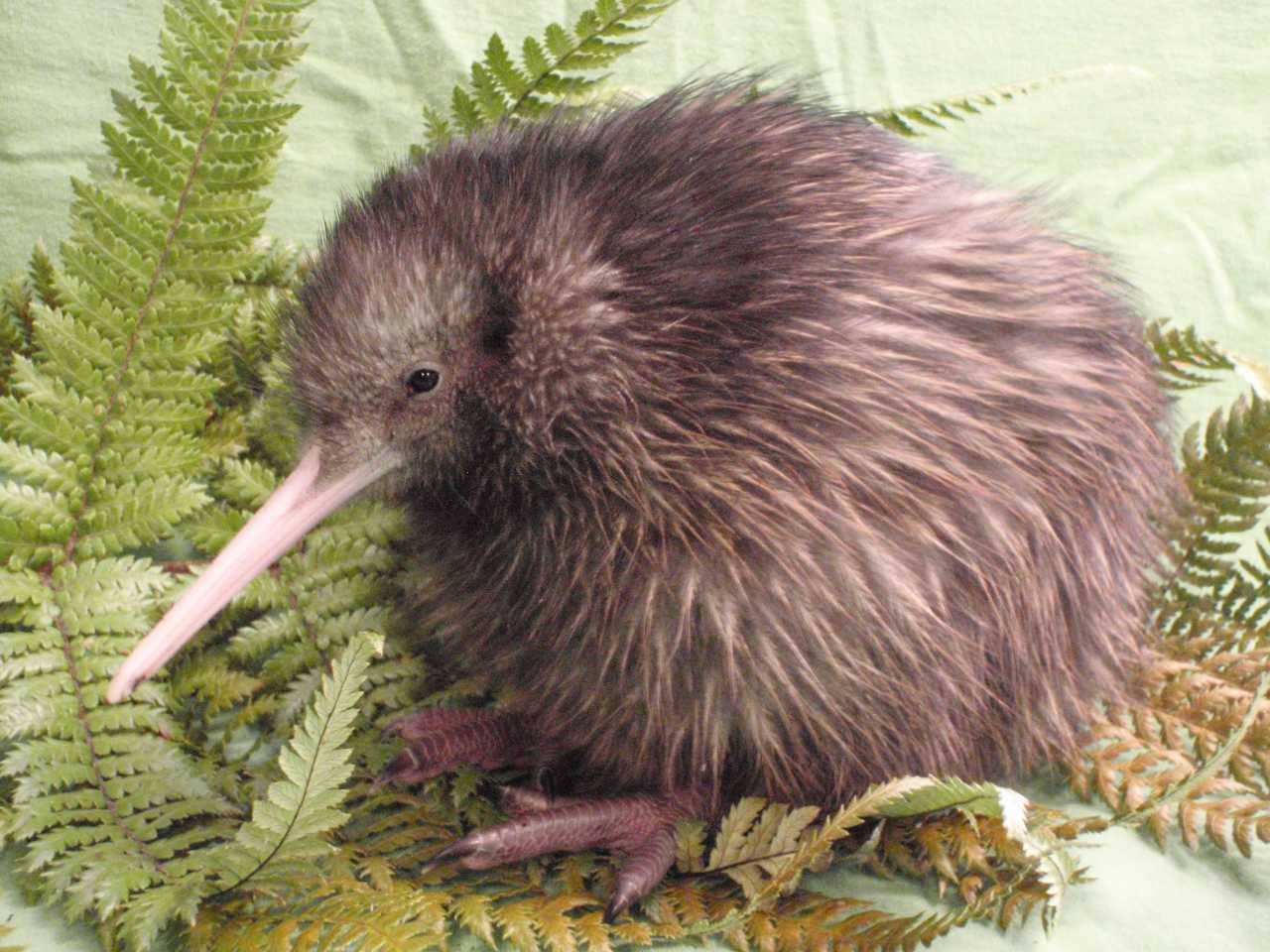
Wiffen hatched on 25 October 2012, named in honour of pioneering paleontologist Joan Wiffen, who discovered New Zealand’s first dinosaur fossils. Just like her namesake, this kiwi represents discovery and resilience. Wiffen’s home forest, Maungataniwha, is a place of scientific wonder — where ancient secrets of the earth have been uncovered, from dinosaur remains to fossilised marine creatures. Today, Wiffen carries that legacy forward, symbolising how both the past and the future are nurtured through curiosity and care.
Fat Freddie
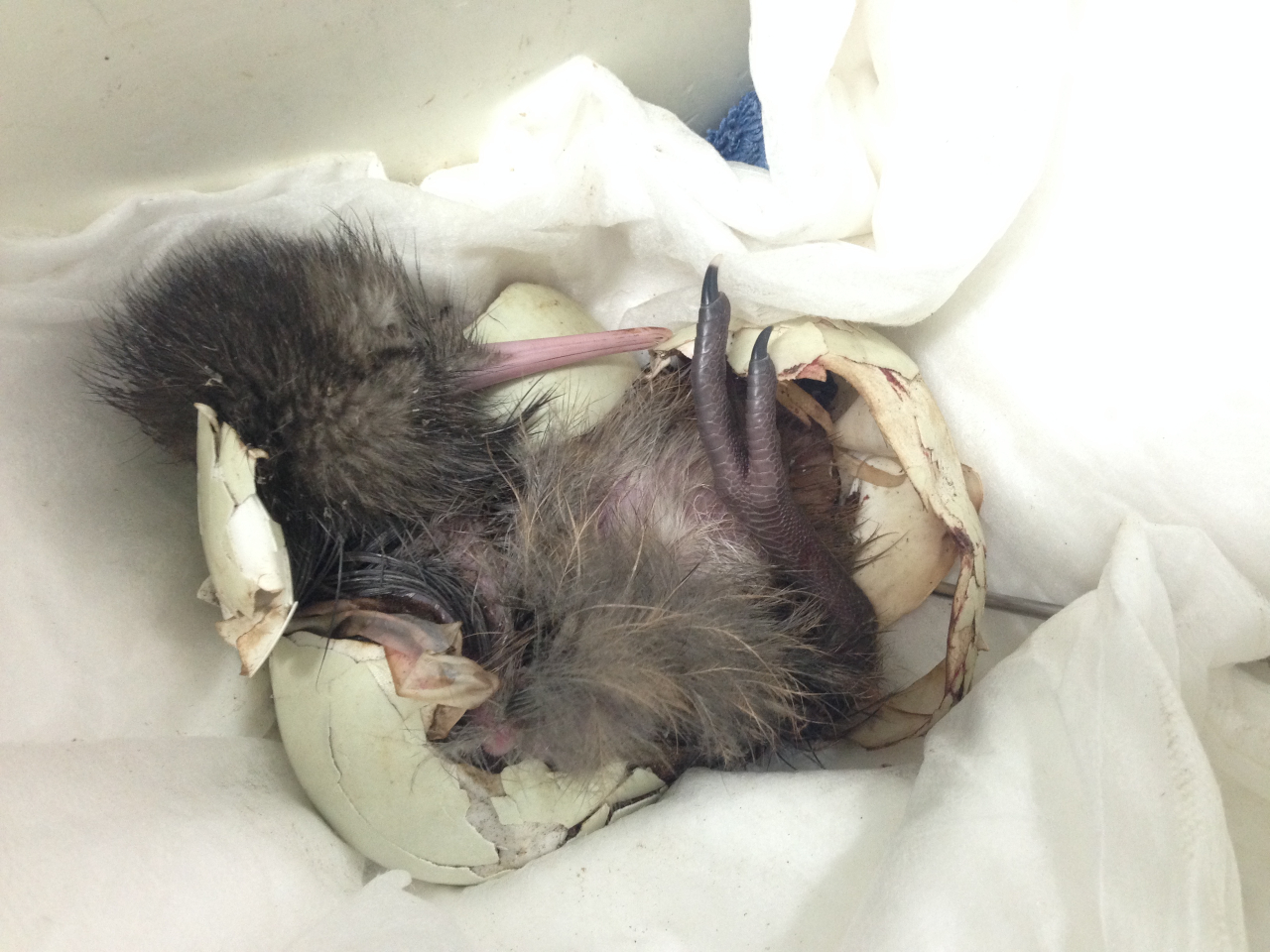
Fat Freddie (a similar name to a popular New Zealand band!) hatched on 25 October 2013 from one of the largest eggs ever seen at the Hatchery, an incredible 524 grams. From his impressive beginnings, Freddie quickly proved to be a healthy, confident chick, ready for life in the wild and was returned to his home forest of Maungataniwha.
Whisker
Whisker hatched on 10 February 2015, after a remarkable rescue story that began when a digger accidentally crushed his nest. Luckily, the egg was saved and brought to the Hatchery (what was then Rainbow Springs’ Kiwi Encounter), where the team incubated the egg and then after hatch carefully nurtured him to full health. Once strong enough, Whisker moved to Motu Creche, a predator-proof sanctuary for growing kiwi, before being released back into the wild at Whinray Scenic Reserve. Whisker even had a story written about their journey.
Mighty Dash
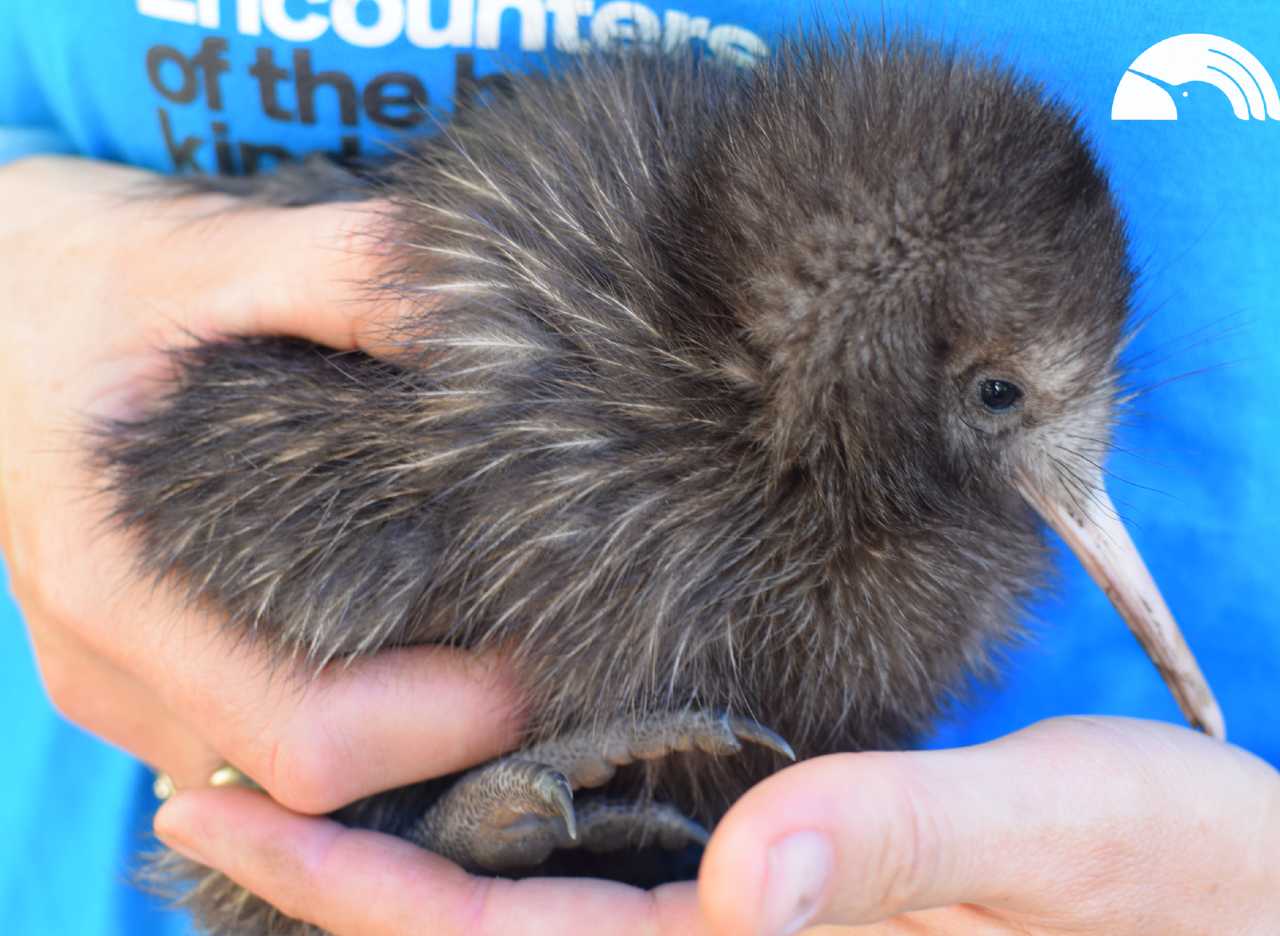
Mighty Dash hatched late on 25 December 2015, becoming the Hatchery’s milestone 1500th chick. His name was chosen by regular visitors to the Hatchery, Nina and Leo (then ages 12 & 10) from Ohaupo. His name celebrated both his speedy 90-second hatch and the Roman numeral “MD” for 1500. Lively from the start, Mighty Dash quickly became a favourite as he grew strong enough for release back to Tongariro National Park. His story marks an important milestone in kiwi conservation and the dedication behind every chick hatched and returned to the wild.
Matariki
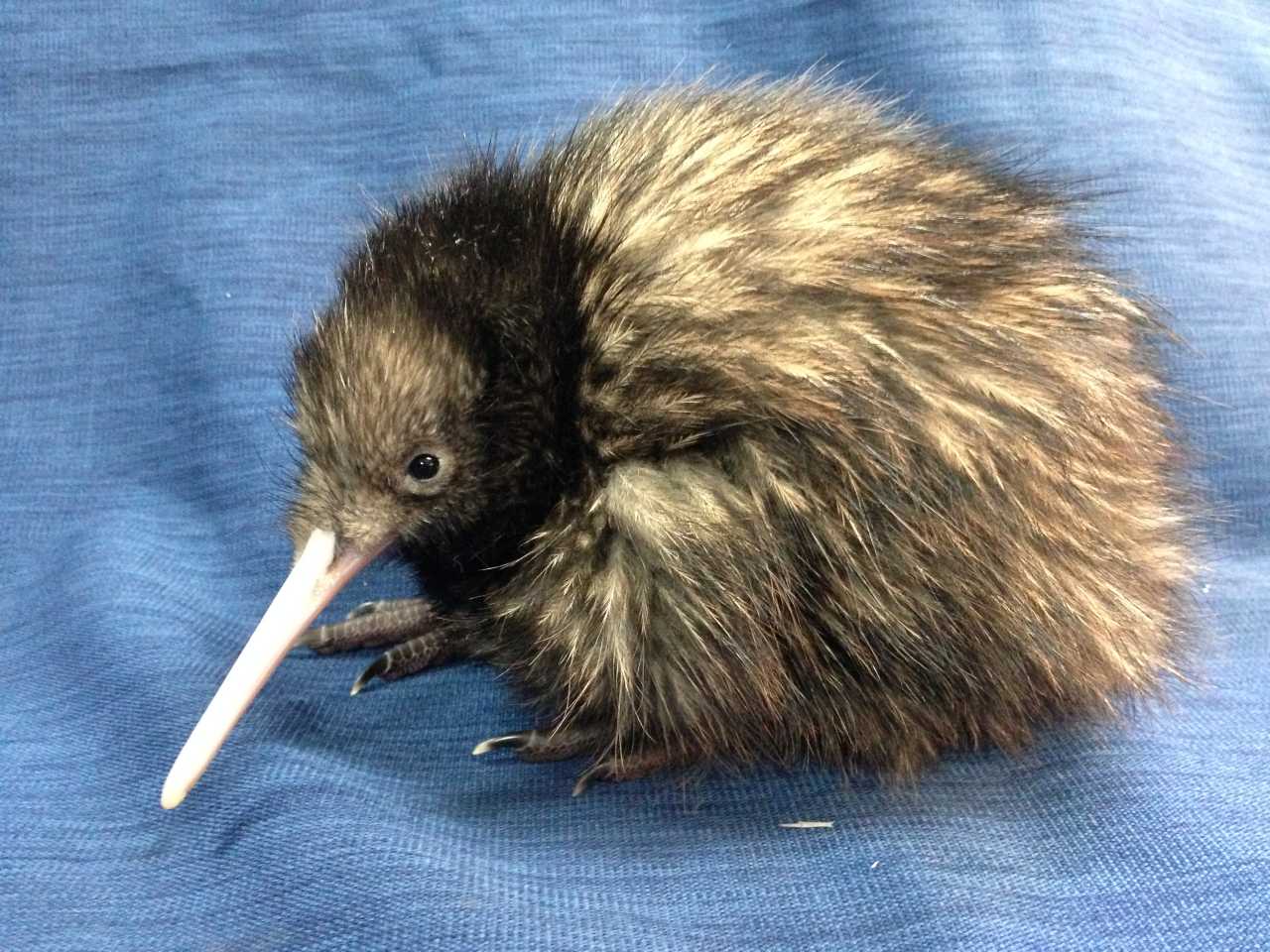
Matariki hatched on 1 December 2016, a 312.5-gram chick named in honour of the star cluster that symbolises new beginnings and the Māori New Year. True to the spirit of their name, Matariki grew steadily and brightly under the Hatchery’s care, reaching 1,085 grams by 18 March 2017. Released to Otanewainuku, this young kiwi carried with them the promise of renewal and the hope that guides Aotearoa’s ongoing conservation journey.
Bloomers
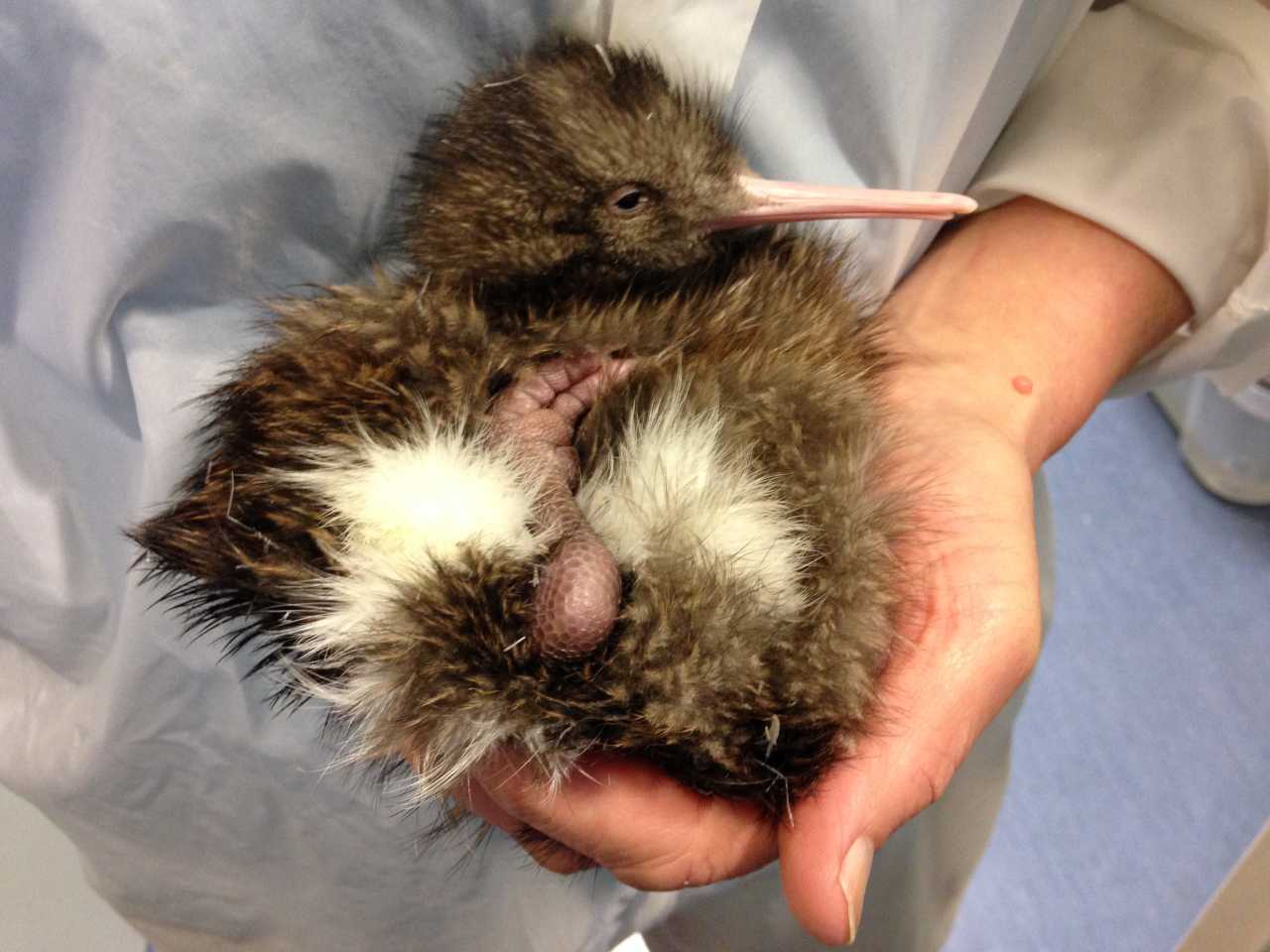
Bloomers hatched on 30 September 2017, turning heads with rare white feathers that looked just like a pair of knickers - inspiring the name. Hatched from an egg rescued at the Moehau Sanctuary in the Coromandel, Bloomers’ journey began in the wild before being safely nurtured at the Hatchery. It is not uncommon for some kiwi lineages to have white feathers sprinkled across the head area. Some chicks hatch with 'french tipped' toenails!
Hokey Pokey
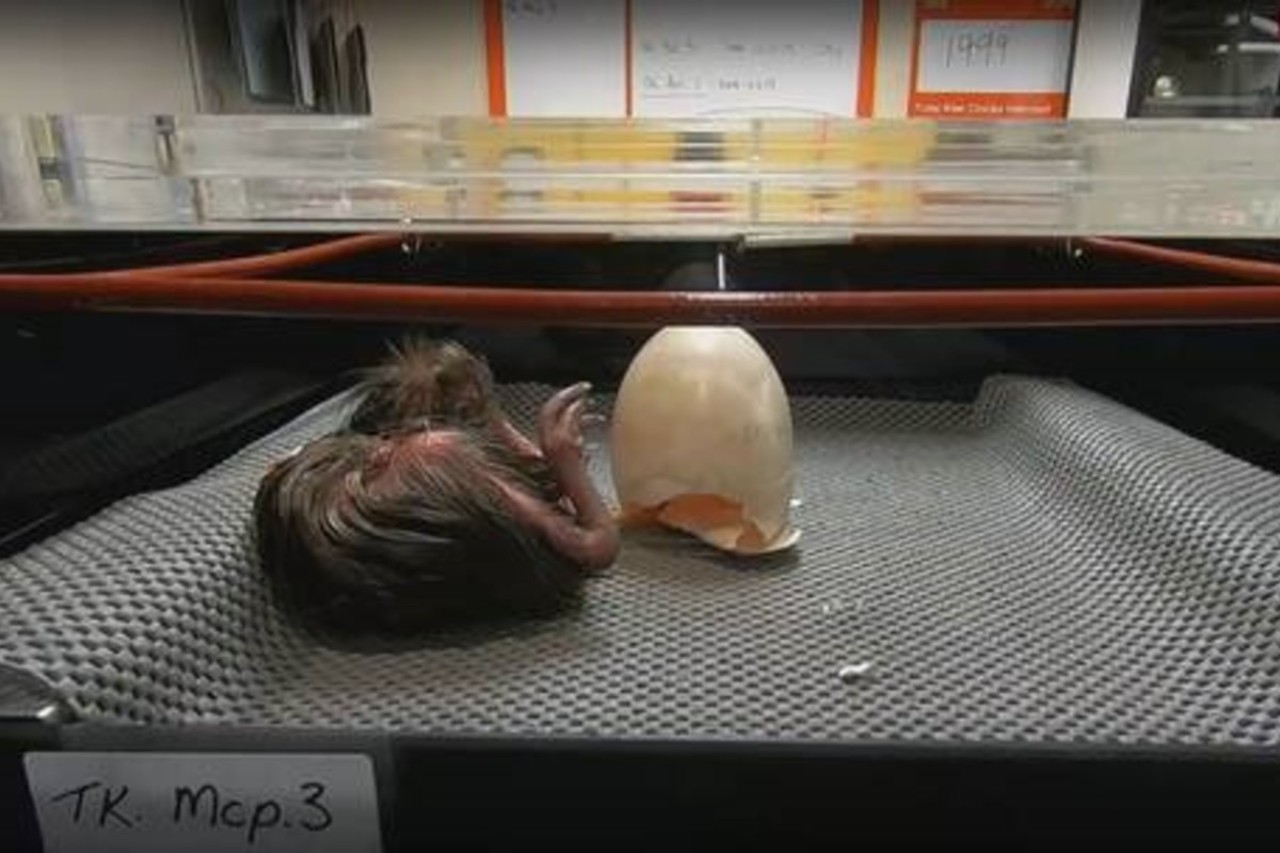
Hokey Pokey (Aotearoa New Zealand's favourite ice-cream flavour!) hatched on 28 March 2019. Hokey Pokey's mum lays tiny eggs and her chicks are often small. Hokey Pokey weighed 273.5 grams on hatch (the average kiwi chick weight is 340g). A wriggly and very vocal chick, by 19 June 2019, this determined chick had reached an impressive 1,197 grams, ready for release to Pohokura.
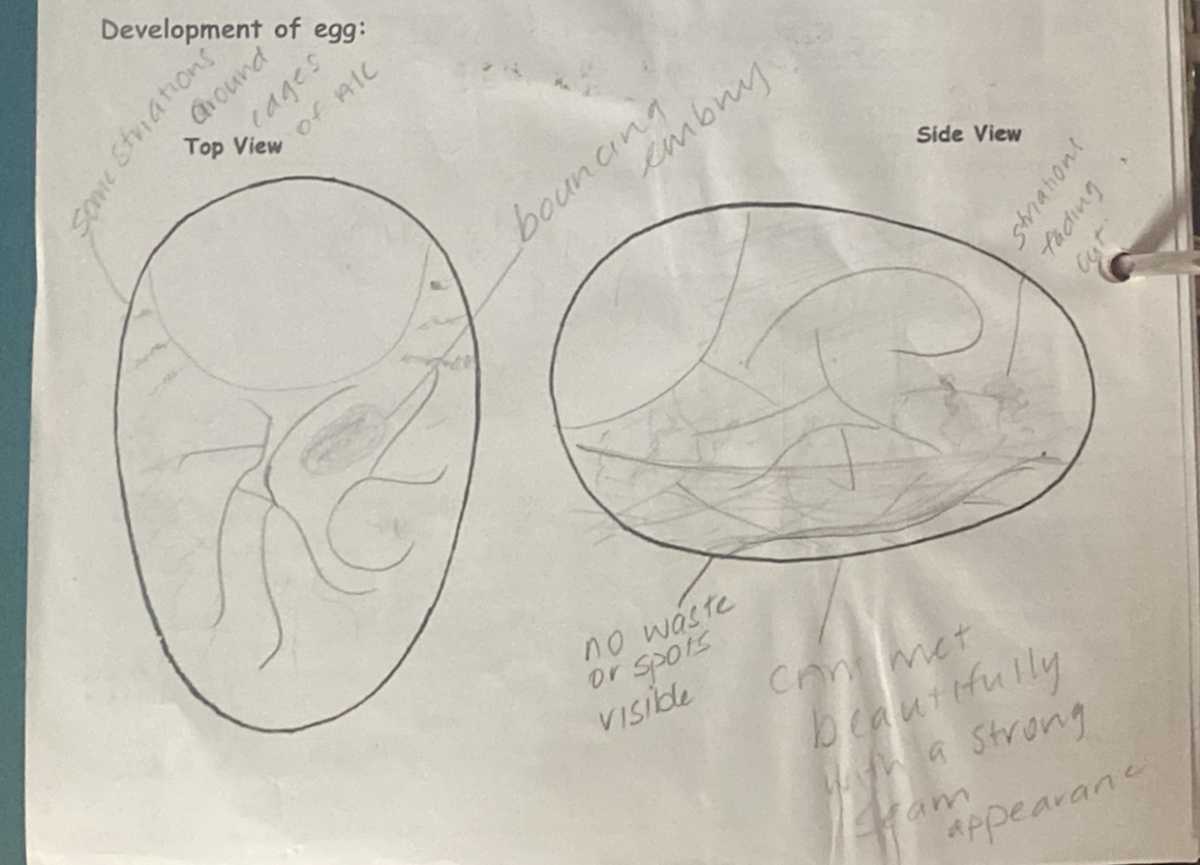
Candling is a method used to observe the growth and development of an embryo inside an egg. This image is what kiwi keepers drew, showing what they saw after candling Hokey Pokey's egg.
Rua Mano
Rua Mano hatched on 13 November 2020, a 342.8-gram chick carrying a name that means “2000” in te reo Māori and marking the Hatchery’s incredible milestone of 2,000 kiwi hatched. Rua Mano comes from the mighty Taranaki area and the egg was only incubated 5 days before hatching. Rua Mano became a symbol of just how far kiwi conservation had come and the hatch was live streamed for kiwi lovers around the world to observe! On 6 December 2019, this special chick was released back into the wild, embodying the hope, progress and persistence behind every kiwi returned to Aotearoa’s forests.
Doug
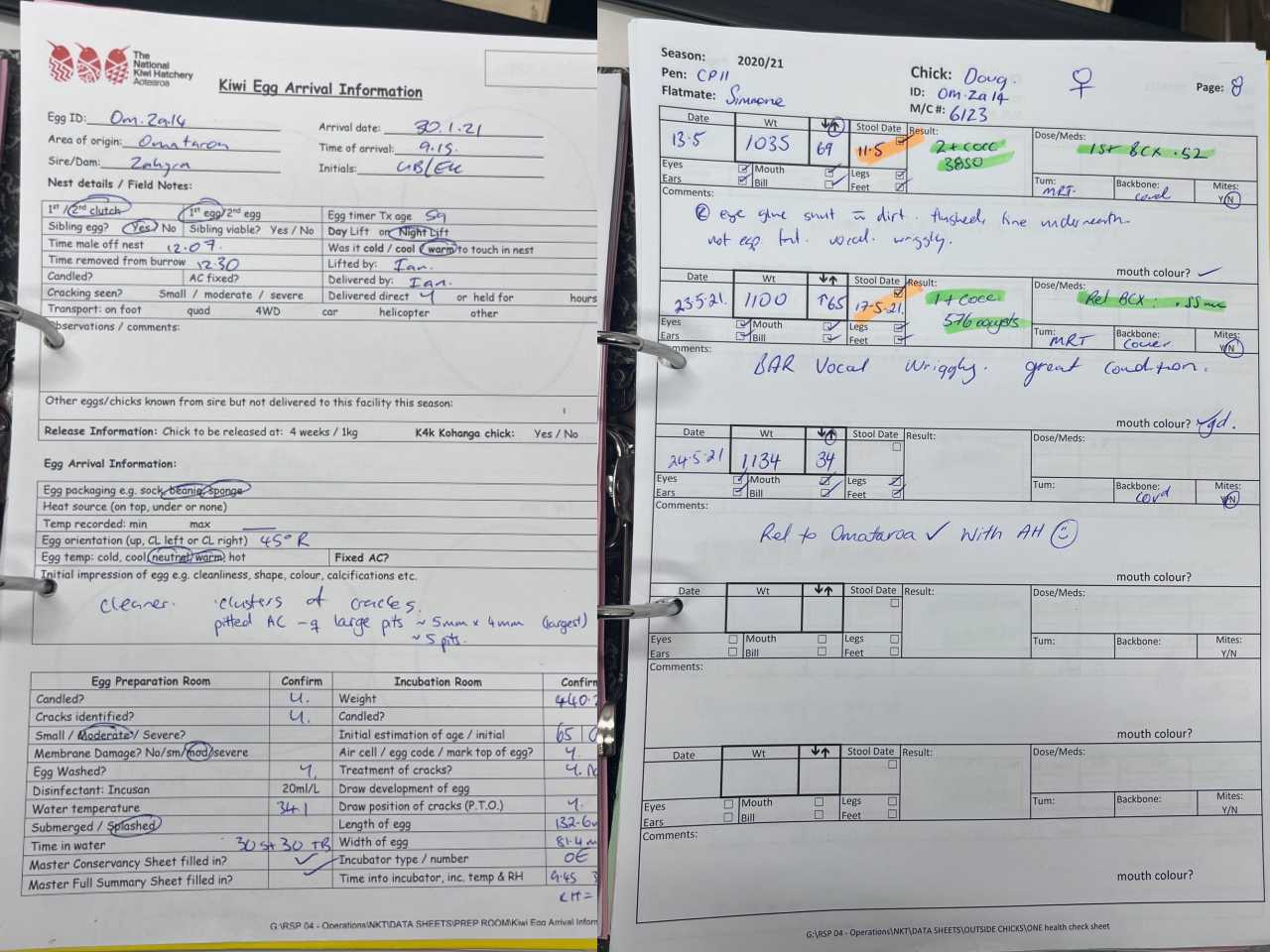
Doug was so named as kiwi love to dig burrows underground like rabbits, rather than other birds which nest in trees. Doug had a sprinkle of beautiful pale, almost white feathers over the head. And while Doug is traditionally a male name, this little kiwi turned out to be a female. It can be many days before a chick's gender is established. This is done by DNA testing their feathers. Doug was released to the Omataroa Forest on 24th May 2021 at an impressive 1134g at just over 3 months old.
Taonga
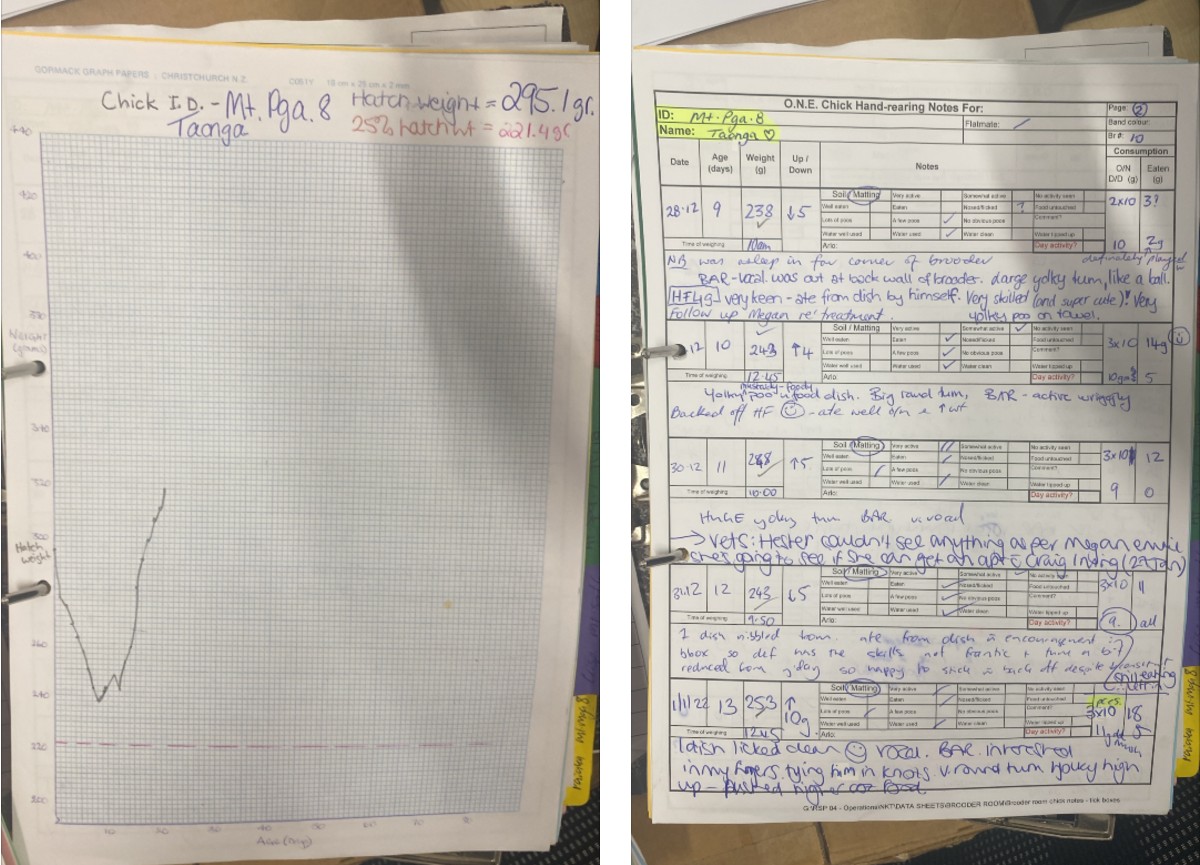
Taonga entered the world facing challenges. Malpositioned in the egg their right eye was squashed up against their foot, rubbing it so it was cloudy when they hatched. We sought expert veterinary assistance, from a wildlife ophthalmologist and after a treatment was unsuccessful, the decision was made to remove the eye at Massey University Wildbase Veterinary Hospital. Taonga is now thriving out in the wild with just one eye. With all the other amazing senses (including sensory pits at the tip of their bill) kiwi can thrive in the wild with limited vision or even fully blind. Taonga's Dad is a chick we hatched in 2011 and her mum we hatched in 2013.
Poi
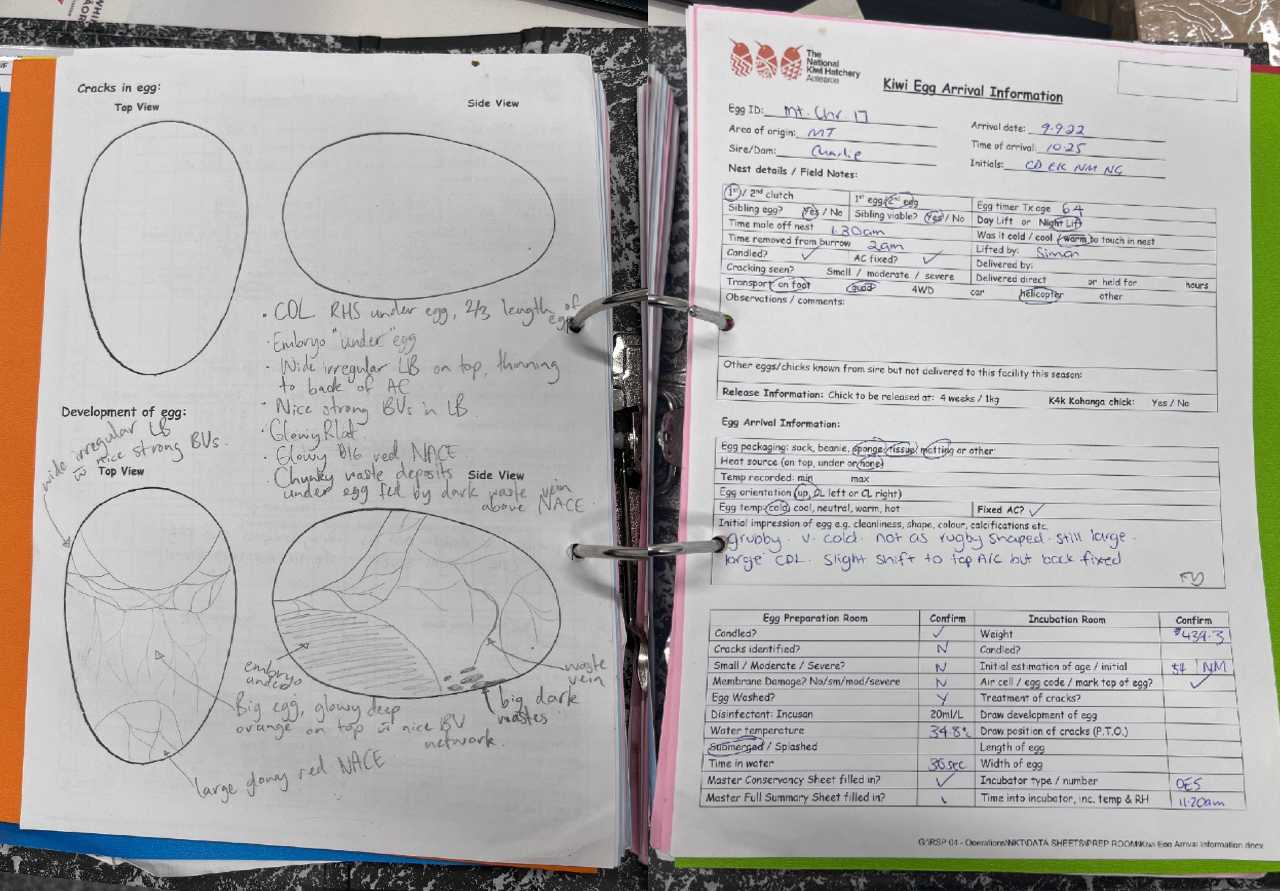
Poi hatched on 2 October 2022, a healthy 353.8-gram chick with a name inspired by the rhythmic, flowing movements of traditional poi. Poi was a large, round fluffy ball of a chick. Poi's Dad, Charlie, is an Operation Nest Egg kiwi, hatched in 2012. Poi comes from Whirinaki Forest and was gifted to Maungataniwha to bolster kiwi genetics in that area.
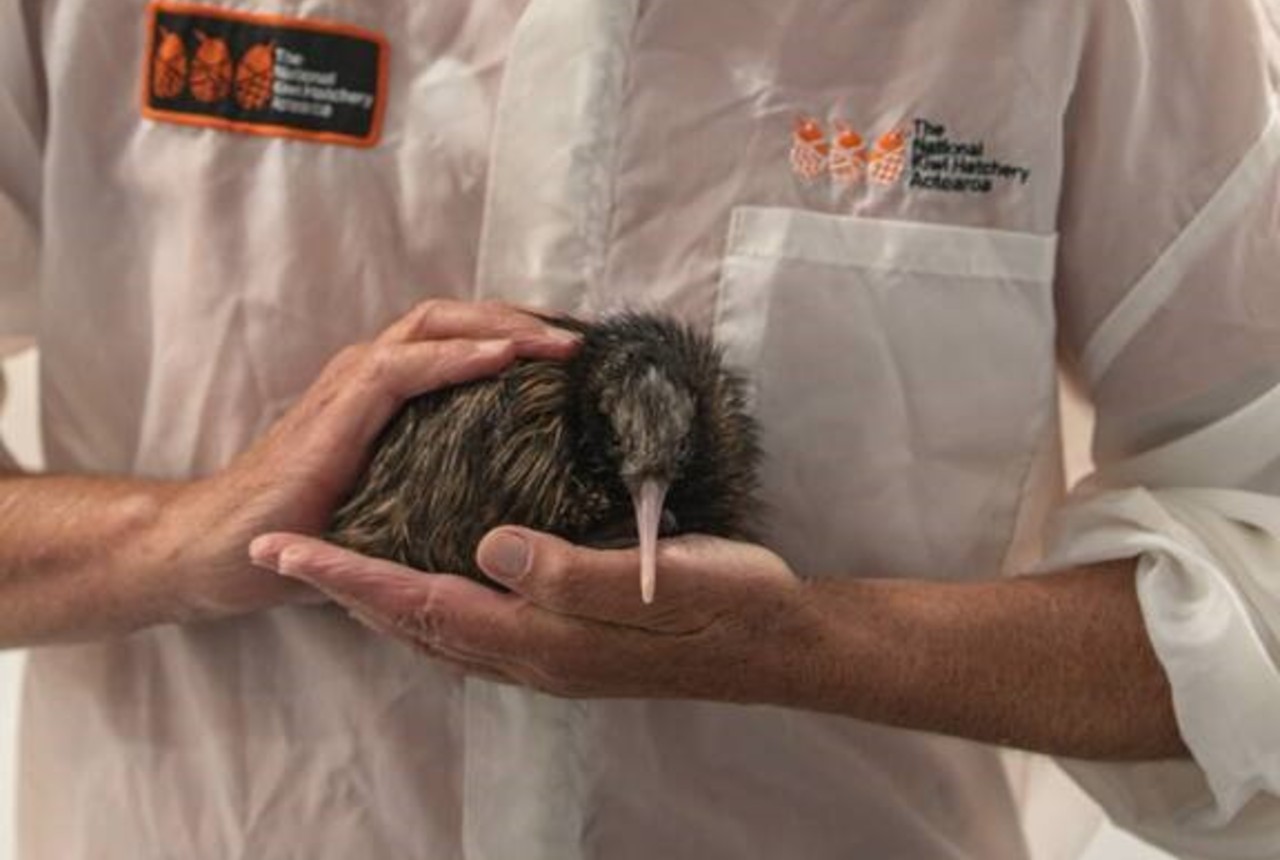
Ātarangi
Ātarangi hatched on 9 February 2024, becoming the Hatchery’s 2,500th chick! Named by New Zealanders in a public vote, Atarangi, meaning “morning sky” symbolises a bright new chapter in kiwi conservation. Weighing 344.4g on hatch, this chick marked a proud milestone for the team, who celebrated the achievement following the Hatchery's recent move to its new home at Agrodome. From Maungataniwha, Ātarangi’s arrival reflected both the dedication of the Hatchery whānau and the growing hope for Aotearoa New Zealand's national manu (bird). Atarangi's Dad Norris, is a solid dad who has contributed over 30 chicks to the O.N.E. (Operation Nest Egg) programme.
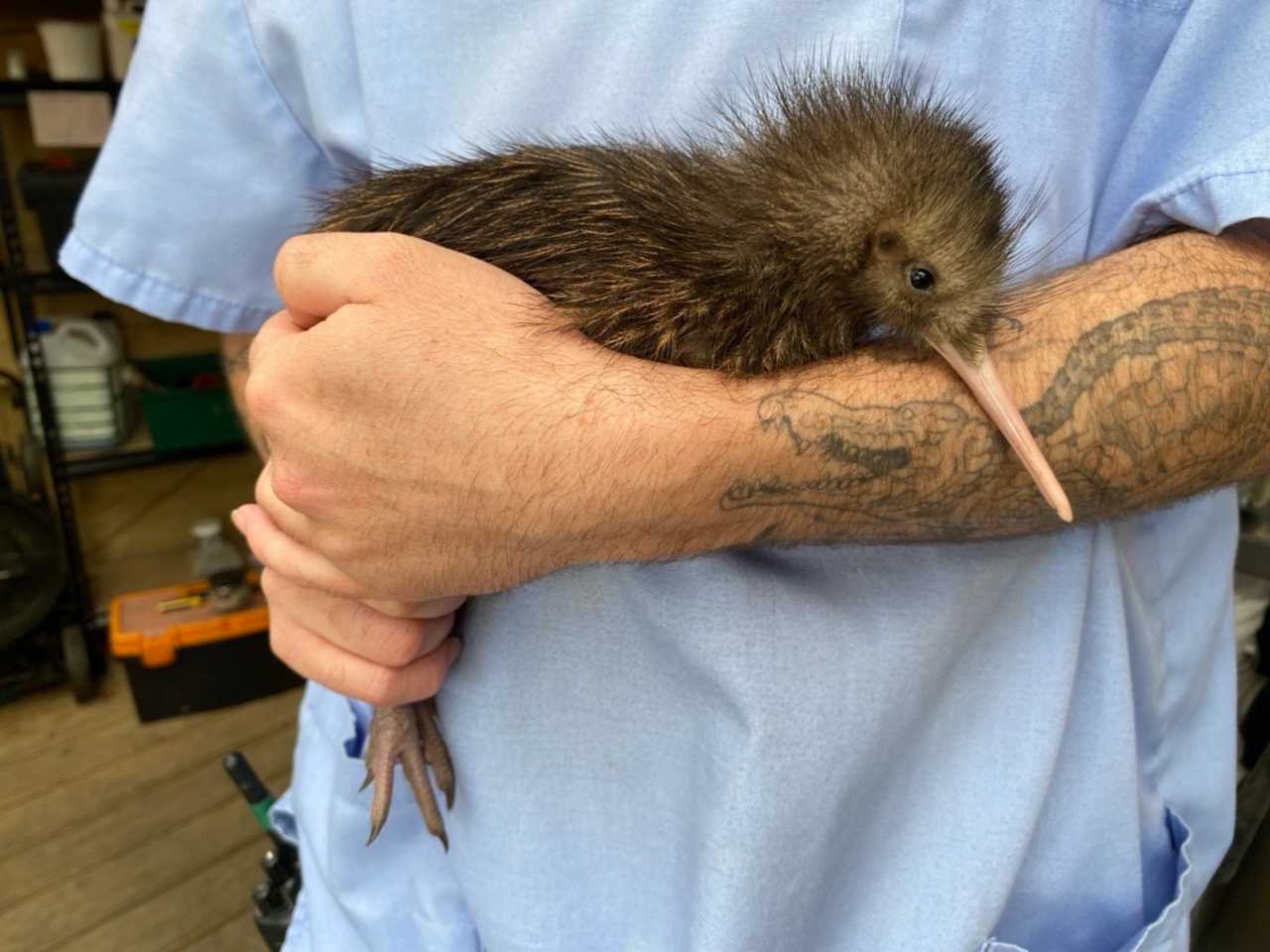
Toa
Sometimes egg collectors need to make stealth missions under cover of darkness to collect the eggs and this is what happened with Toa. When Dad, Plummet, went off for a night-time snack our volunteer egg collectors snuck in and removed Toa and Toa's sibling egg from the nest. Without this intervention their survival rate as chicks is just 5%. Toa was returned back to the forest once they had reached their 'stoat-proof' weight - meaning they have the strength and size to defend themselves more effectively against predators. Toa was named by her sponsor and means 'strength' or 'warrior'.